


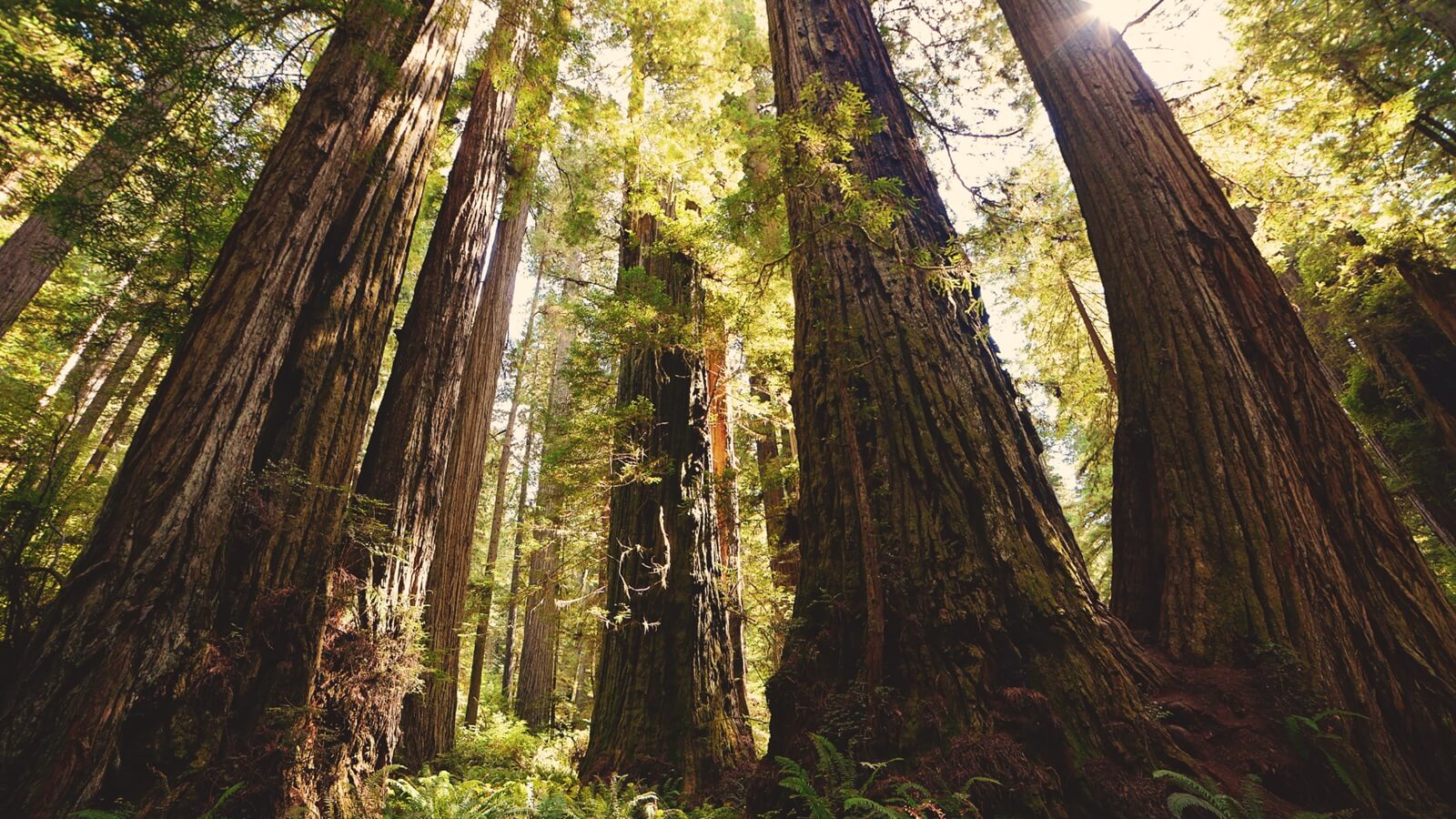
I’ve done a lot of traveling in the U.S., and in my opinion there’s no sight quite like redwood trees. They often stand 300 feet tall, sentinels of the California coast. They smell like pine and citrus, filling the air with a gentle fragrance—and walking through the ancient forests, you can’t help but let the stillness of this hidden world infuse your soul with peace.
There are many amazing spots to experience California’s coastal redwood trees—popular destinations include Humboldt Redwoods State Park, Portola Redwoods State Park, and Big Basin Redwoods State Park. Today, we’ll explore each of these parks and more as we look at some top places in California to see the redwoods.
History of the Redwoods
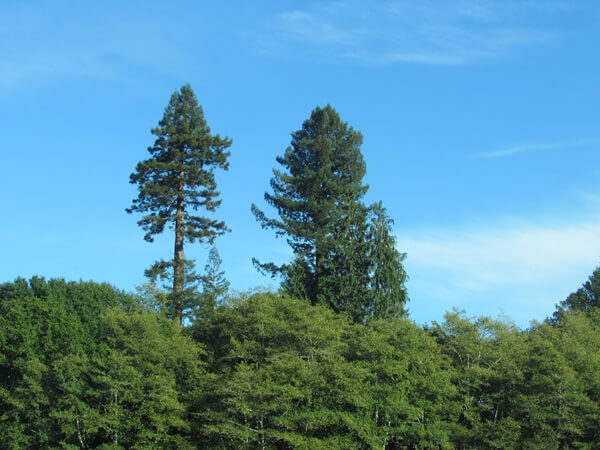
If they could talk, redwood trees could tell all kinds of stories. Some are over 2,000 years old, so they’ve seen a lot in their time.
There are three redwood species – the Coast Redwood, Giant Sequoia and Dawn Redwood. The first two are found only in California. They used to be much more widespread —fossils of the trees have been found all over the Northern Hemisphere. It’s estimated that redwood trees have been around for 20 million years in California, with their ancestors dating back as far as 240 million years throughout the Northern Hemisphere.
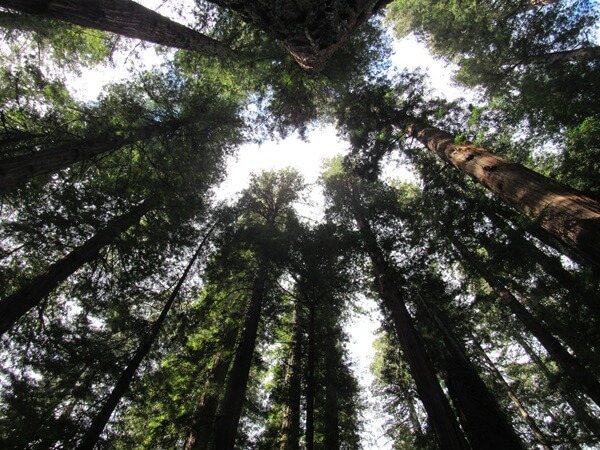
Their original habitats gradually dwindled thanks to environmental changes. Then, in modern times, excessive logging wiped out vast portions of the forests. Fortunately, conservationists took notice and set out to protect what was left of the ancient giants.
Today, state and national parks, national monuments, and nature preserves throughout California provide safe spaces where redwood trees grow and thrive. The forests are making a comeback, and some still feature groves of old-growth redwoods reaching hundreds of feet into the sky.
Where to See Redwood Trees in California
Redwood trees are common throughout their current range—you can find them growing along roadsides, in city parks, even in some backyards. You can find especially large or unique groves at state and federal-managed parks and preserves, especially in coastal regions of central and northern California.
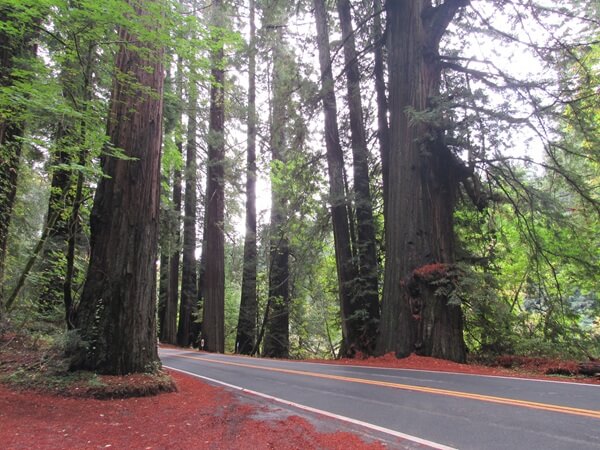
For the purpose of this article, we’ll focus on top state parks with forests of coastal redwood trees—some of the tallest trees in the world. If you’re planning a trip to the redwoods, you won’t want to miss these spots and all the prehistoric majesty they offer.
Humboldt Redwoods State Park
Humboldt Redwoods State Park is one of my personal favorites. It’s huge, spanning 53,000 acres—and nestled within its boundaries are 17,000 acres of old-growth redwood trees. It’s one of the best places to see the gentle giants.
In fact, you can find many of the largest trees along the Avenue of the Giants, a 32-mile scenic drive off Highway 101. The drive features frequent pull-offs where visitors can park, eat lunch at picnic tables, and bask in the peaceful stillness of the forest.
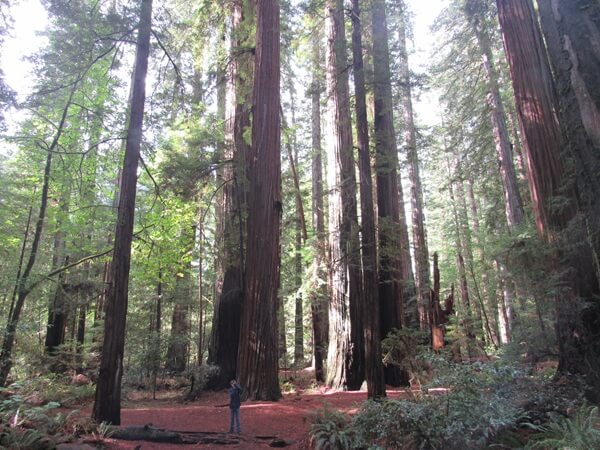
Other popular destinations in this park include the Shrine Tree, which you can drive through; the Dyerville Giant, a huge fallen redwood tree; the Christmas Tree, a rare albino redwood; and the Rockefeller Forest, the largest grove of old-growth redwoods in the world.
Jedediah Smith Redwoods State Park
This park is in the northwest part of the state, reaching all the way to the Oregon border. It’s 10,000 acres of prehistoric scenery—as you wander through forests of redwoods, ferns, and tiny creeping sorrel, you almost expect to see a dinosaur coming around the corner.
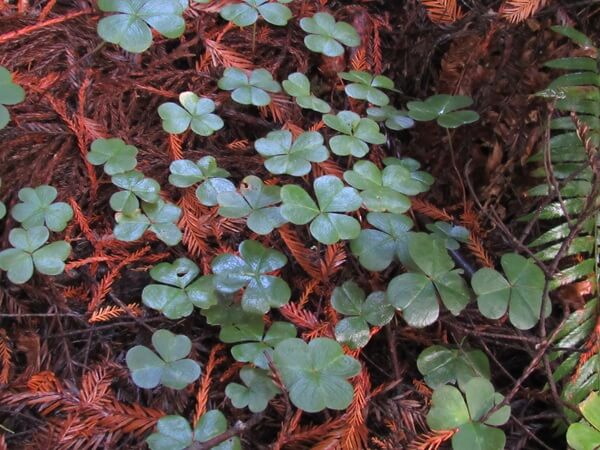
Jedediah Smith Redwoods State Park contains 7% of the world’s remaining old-growth redwood trees. Many of them are visible along the Grove of Titans Trail just off Howland Hill Road.
The Smith River winds its way through this park, making it an excellent spot for fishing and kayaking. Campsites and hiking trails are available for visitors who want to stay a while and soak up as much scenery as possible.
“Jed Smith”, as it’s called, is part of the larger Redwood National and State Parks. Other preserves making up this large conservation area include Prairie Creek Redwoods State Park, Del Norte Coast Redwoods State Park, and Redwood National Park.
Del Norte Coast Redwoods State Park
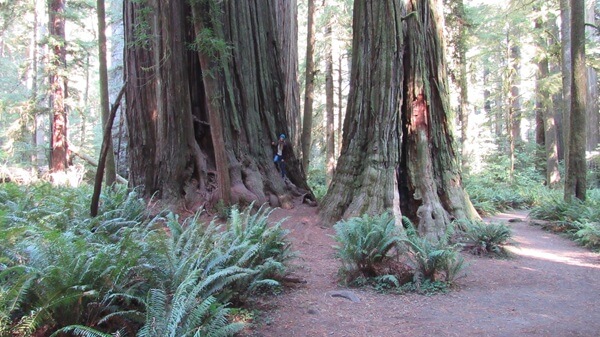
Del Norte Coast Redwoods State Park is one of the four parks comprising Redwood National and State Parks. It’s known for its steep topography and rocky coastal areas. About 50% of the 6,400-acre park consists of old-growth redwood trees.
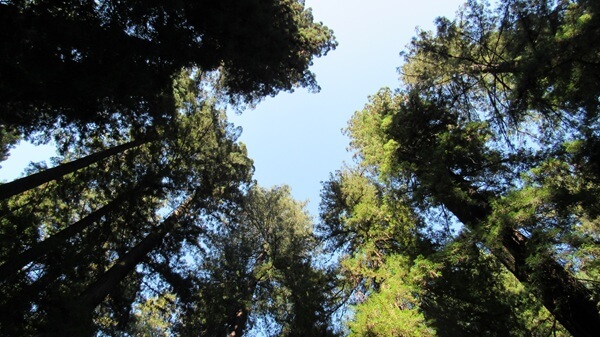
This unique and rugged park rises from sea level to nearly 1,300 feet, providing dense clusters of towering redwood trees, impressive ocean views, and mountainous terrain. Visitors can access the rocky coast via Damnation Creek Trail to enjoy a walk along a sandy beach.
This is a great park to visit if you’re wanting to explore mountains, redwoods, and the ocean all in one day. The diverse range of climates and experiences makes it feel like you’ve stepped into another world.
Big Basin Redwoods State Park
Big Basin Redwoods State Park is the oldest state park in California—it’s been around since 1902. A fire swept through in 2020, but the park is as resilient as the giant trees it houses.
Visitors can wander through stands of old and second-growth redwoods, many scarred but still standing after the fire. In fact, the park still features the largest grove of ancient coastal redwood trees south of San Francisco.
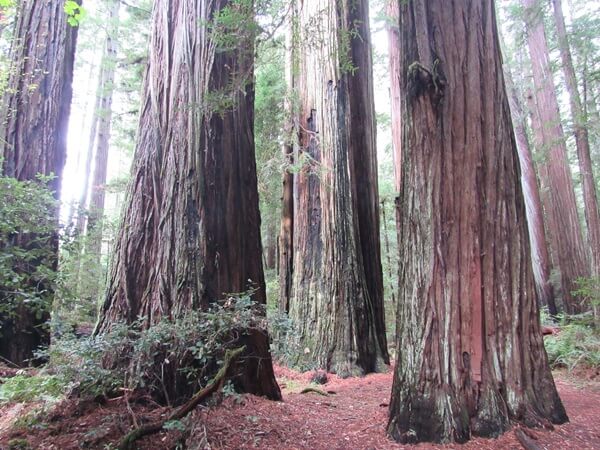
This 18,000-acre park rises from sea level to around 2,000 feet. It has ocean views, waterfalls, and mountains. One of the most popular attractions is the Redwood Loop Trail—this allows visitors to explore some of the biggest trees in the park and learn about the resilience that helped them survive the 2020 fire.
Prairie Creek Redwoods State Park
Prairie Creek Redwoods State Park blends old-growth redwood trees and open meadows, providing a stunning contrast in scenery. Herds of Roosevelt elk call this park home and are often seen grazing on the prairies.
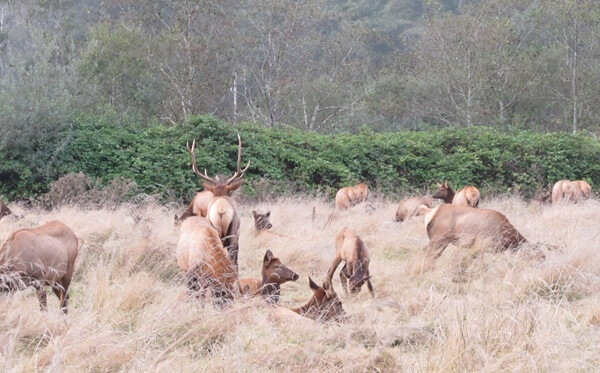
The park also features steep fern-covered canyons, ocean views, waterfalls, and beaches with rolling sand dunes. Hiking trails and bike areas allow visitors to explore the dreamlike rainforest. Beach campgrounds provide peaceful spots to rest and soak up the stillness of this primeval paradise.
Prairie Creek is one of the parks collectively comprising Redwood National and State Parks, along with Jedediah Smith Redwoods State Park, Del Norte Coast Redwoods State Park, and Redwood National Park. It houses a redwood with a 68-foot circumference, appropriately named Big Tree.
Henry Cowell Redwoods State Park
This state park is best known for its 40-acre grove of old-growth redwood trees, which inspired some of the first redwood conservation efforts in the U.S. The park totals 4,650 acres and also features a stand of second-growth redwoods.
Though Henry Cowell Redwoods State Park is popular for its redwood trees, it offers a variety of habitats. Visitors can explore grassland and riparian ecosystems, along with sandhill habitat housing various endangered animal species.
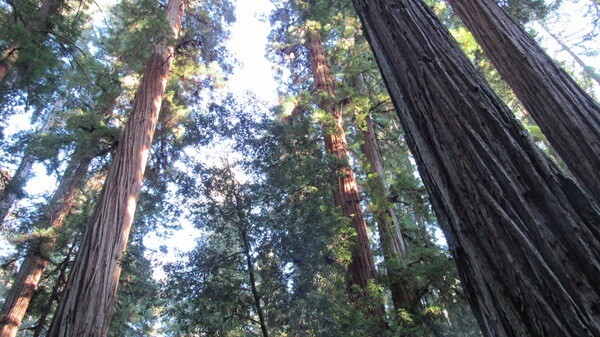
The park is nestled in the Santa Cruz Mountains near Fulton. Popular activities include camping, hiking, swimming, horseback riding, picnicking, and breathing in the clean, evergreen-scented mountain air.
Portola Redwoods State Park
Portola Redwoods State Park is a wilderness haven not far from the South Bay area and Silicon Valley. It comprises 2,800 acres of forest and wetland habitat that allow visitors to step into nature and breathe in the earthy peacefulness.
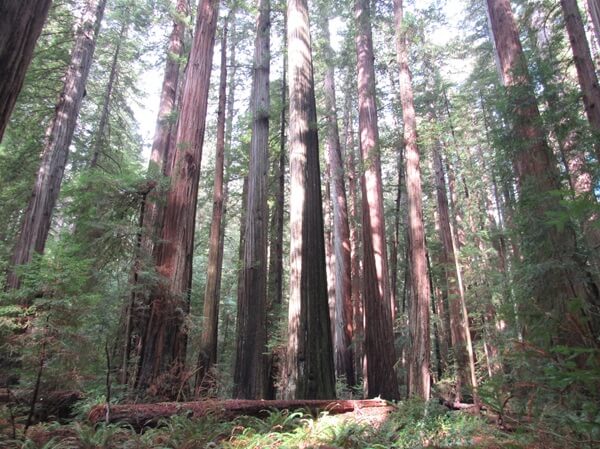
The Peter’s Creek Grove is the most popular stand of redwood trees in the park. The trees are both remote and beautiful, standing tall in silent vigil. Creeks and rivers tumble through the forest, and some of them feature scenic waterfalls.
Visitors enjoy the homey feel of the visitor center and enjoy hiking the 18 miles of trails crisscrossing the park. Various camping options are available for backpackers, families, and large groups.
Grizzly Creek Redwoods State Park
Remember that thrilling speeder bike chase scene in Star Wars: Episode VI – Return of the Jedi? Most of the shots from that scene were filmed at Grizzly Creek Redwoods State Park—specifically in Cheatham Grove, the park’s signature stand of old-growth redwood trees.
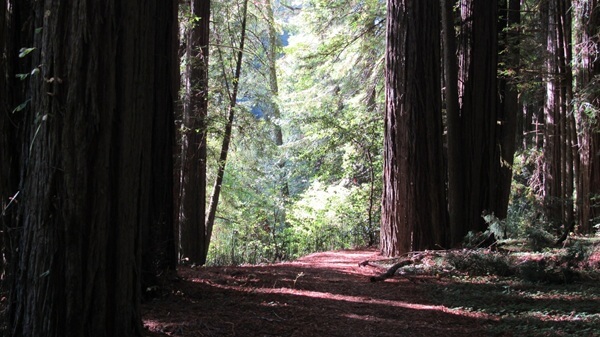
Though the park’s main claim to fame is Star Wars, it also has a skeleton and taxidermy display at its visitor center that lets you get up close and personal with local wildlife specimens. Weekly campfire programs in the park provide an old-fashioned experience.
This small park lies further inland than most—it’s situated 30 miles east of the coast along Highway 36. The park features just five miles of hiking trails and a small campground. It has a personal, intimate feel that makes it one of the most peaceful redwood state parks.
Richardson Grove Redwoods State Park
Richardson Grove Redwoods State Park comprises 1,800 acres and lies a little to the south of Humboldt Redwoods State Park, near Garberville on Highway 101. The park contains several interesting and unique redwood trees.
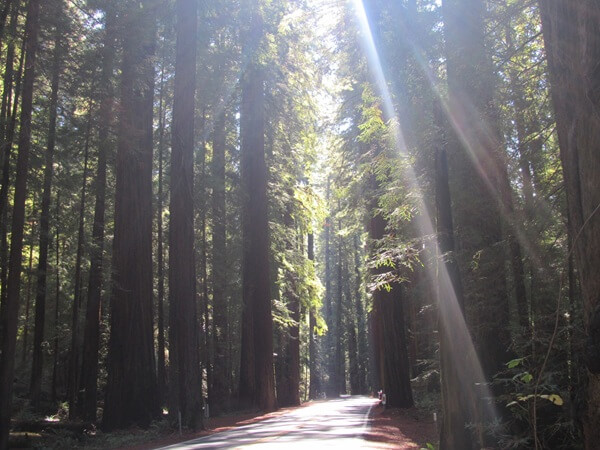
Many of the trees in this park are more than 300 feet tall. Visitors can explore some of the strangest trees along the Grove Nature Trail. Popular sights include the chandelier tree (a large multi-trunk redwood), the bat tree, and the walk-through tree.
The South Fork of the Eel River passes through this state park. Camping, hiking, picnicking, fishing, and swimming are all popular activities.
Navarro River Redwoods State Park
This state park is known for its “redwood tunnel to the sea.” Second-growth redwood trees stretch the length of the park, named for the Navarro River that winds its way to the ocean.
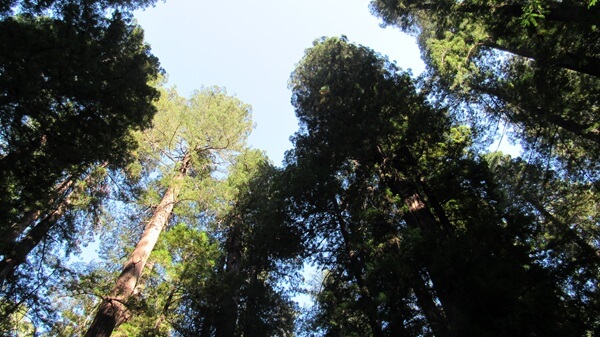
Travelers pass through Navarro River Redwoods State Park while heading west on Highway 128 toward Highway 1. Those who stop in for a while can hike through the redwoods, camp, fish, swim, and explore the scenic, rocky Navarro Beach.
Though the second-growth redwoods aren’t as large as the old-growth groves found in some of the other parks, the tree tunnel to the sea is a unique feature. Plus, the redwoods combined with coastal and river views provide a peaceful and scenic setting for an escape into nature.
Tips and Hints
There’s no place on earth like the redwoods—words and pictures can’t do justice to the impossibly tall trees, the fresh evergreen scent, the ancient calm of the forest. My number-one tip is simple—plan a trip to see them for yourself!
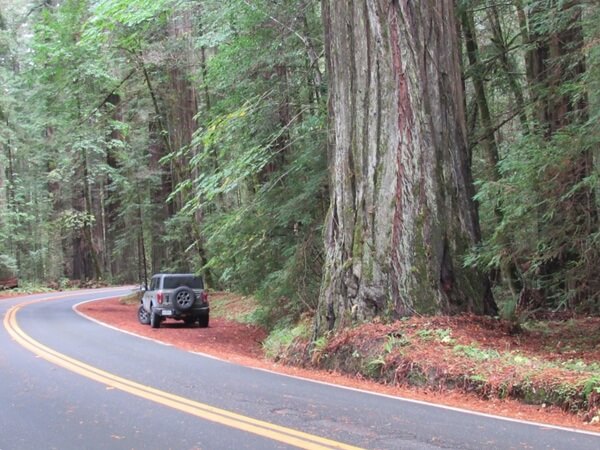
Here are a few more tips and hints to keep in mind as you explore the redwoods.
- Keep an eye on the weather. Rain and fog are common in many of the redwood forests—some locations get up to 100 inches of rain a year. Snow may be possible in the winter, especially at higher elevations. Rough beach conditions and wildfires can present additional hazards. This variety of weather conditions is fascinating, but it can also be dangerous. Keep an eye on the weather throughout your trip and have a plan B in place.
- Pay attention to park rules and closures. Different state parks may have different rules and regulations regarding pets, camping, hiking, and more. They may also face closures due to weather, construction, or other factors. For example, many trails at Big Basin Redwoods State Park are still closed following the fire of 2020. You can find information about specific park rules and closures on the California State Parks website.
- Book campsites in advance. As with camping in any State Park, if you’re planning to stay at a campground in the redwoods, you’ll want to secure your campsite well ahead of time. The redwood state parks are popular destinations—campgrounds fill up fast, especially during peak season. Consider making reservations several months before your trip to ensure a campsite or cabin is available to you.
- Be prepared for poor cell service. Most groves of redwood trees are near the ocean, where cell service is already spotty. Rapidly changing elevations and sparsely populated areas can also contribute to poor reception. You can prepare for this by saving offline maps on your phone, using reception boosters, and having alternate methods of contacting friends and family if you get separated.
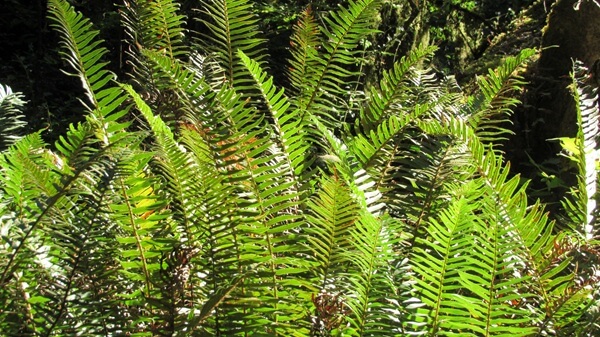
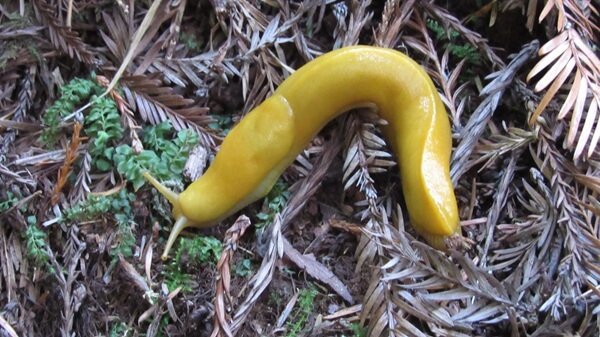
- Look around as well as up. Looking up toward the redwood canopy hundreds of feet above is a truly incredible experience, but there is also plenty to see at eye level and below. While enjoying the majesty of the redwood trees themselves, don’t forget to notice the smaller details—clumps of ferns, redwood sorrel covering the ground, prairie grasses and wildflowers, mushrooms, banana slugs. You never know what you might spot if you keep your eyes open!
Summary
California’s redwood state parks have something for everyone. Whether you’re looking to get lost in the old-growth groves of Humboldt Redwoods State Park, or to search for trees you’ll recognize from Star Wars in Grizzly Creek Redwoods State Park, you won’t regret visiting these stunning forests. The redwood trees are calling to you—start planning your trip to one of these state parks (or all of them) today!
IF YOU’RE INTERESTED in hiking, and in particular the incredible National Parks in the United States, then don’t forget to check out the amazing Badlands National Park!