

Badlands National Park in South Dakota may not be on your bucket list—it’s one of the most overlooked destinations of the American West afterall. But if you love unique scenery, natural history, and abundant wildlife, you won’t want to miss the Badlands—a visit to this park feels like stepping into the past. Let’s take a closer look at Badlands National Park and all its hidden treasures.
Where Is Badlands National Park?
A visit to the Badlands will take you into the High Plains of southwestern South Dakota. The region is characterized by fields of rolling grasslands.
The park is easily accessible from Interstate 90 about an hour east of Rapid City. Wall, a popular tourist town, is located just 15 minutes from the park.
The nearby Oglala Lakota tribe co-manages the southern part of the park. In fact, this region of the Badlands lies within the Pine Ridge Reservation, perhaps most famous for the historical site Wounded Knee.
History of Badlands National Park
The fragile rock formations of Badlands National Park preserve millions of years of natural history. The park is known for its fossils and has even been called the birthplace of the science of vertebrate paleontology.
Natural History
The now-arid region was once a vast, land-locked sea that supported a plethora of wildlife. Over time, it transformed into a lush rainforest, then a subtropical wetland region, then a dense, wooded area, and finally an open grassland.
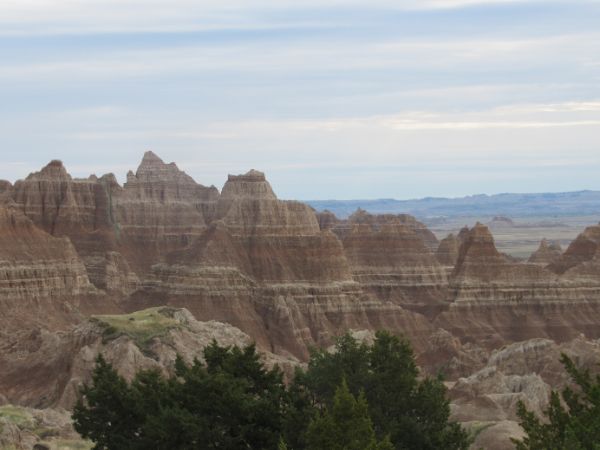
The Badlands themselves are composed of many layers of sedimentary rock. The shale, sandstone, and claystone preserved perfect specimens of dozens of animal species such as saber-tooth cats, horses, rhinoceroses, birds, reptiles, and oreodonts, ancient sheep-like creatures. Many of these fossils are visible from the park’s hiking trails.
Physical History
The park is divided into the North Unit and the South Unit, with much of the South Unit being on tribal lands. The park actually gets its name from the Lakota, who called the region “mako sica”—which literally translates to “bad land.”
During World War II, the South Unit doubled as an Air Force bomb range. There are still live bombs buried in the ground, so visitors are warned against hiking in that part of the park.
What to Expect at Badlands National Park
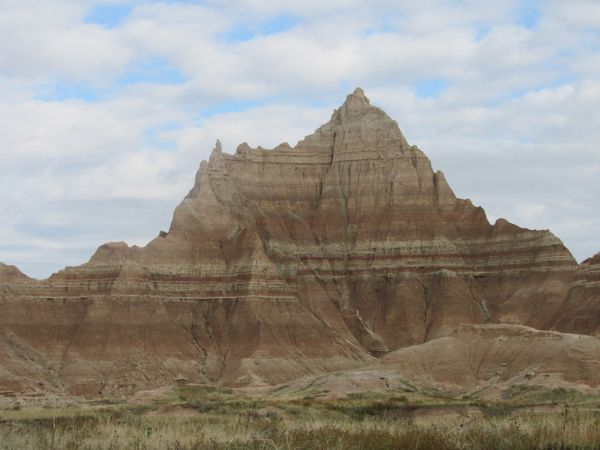
Badlands National Park is 244,000 acres of colorful stone formations, open grasslands, and thriving wildlife. Let’s look at what you can expect to experience during your visit.
Scenic Drives
At many state and national parks, you have to park and hike to see the sights, but this isn’t the case at the Badlands. Scenic drives within the park allow you to enjoy great views from the comfort of your car.
Badlands Loop Scenic Byway
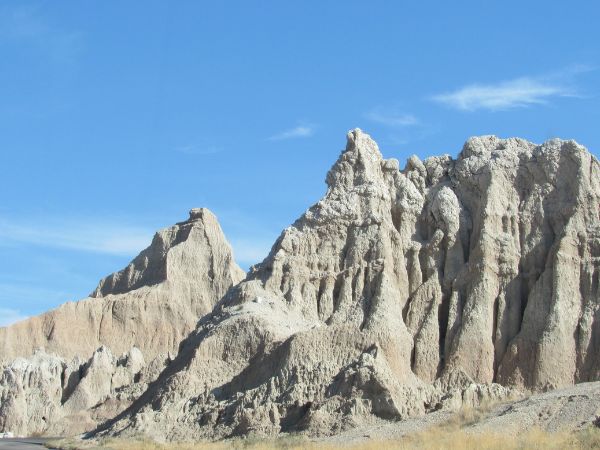
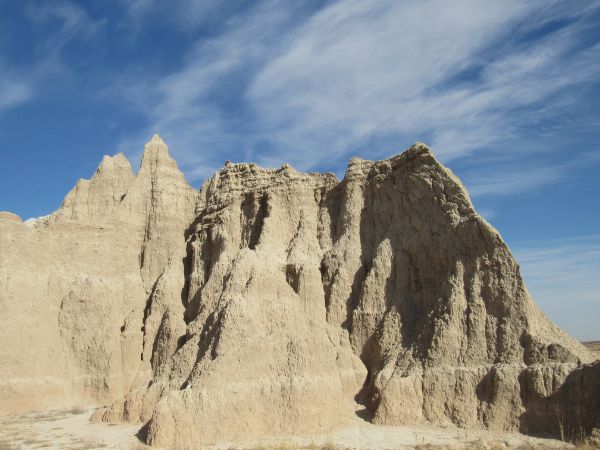
The most popular of these drives is the 30-mile Badlands Loop Scenic Byway—Highway 240. It runs through the North Unit along a portion of the Badlands known as the Wall, which encompasses some of the most striking and jagged rock formations.
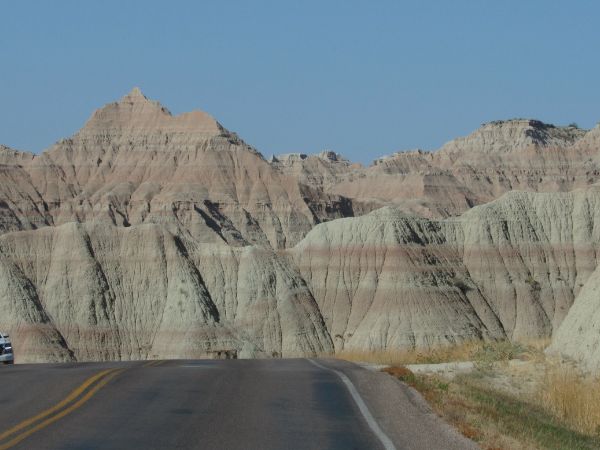
This paved road features 12 scenic overlooks, most of which have wheelchair-accessible boardwalks. It typically takes about one to two hours to complete this drive, depending on how much time you spend at each overlook.
Highway 240 begins and ends at Interstate 90 and leads to other scenic drives throughout the park. It’s also the site of various trailheads, and it houses the Ben Reifel Visitor Center.
Sage Creek Rim Road
Another popular, though less crowded, drive in the North Unit is Sage Creek Rim Road. This dirt road features four overlooks and leads to the Badlands Wilderness Area.
The drive provides a more rugged, backcountry experience for adventurous visitors. It begins at the Badlands Loop Scenic Byway and heads west for 25 miles through rock formations and prairie, ending near the town of Scenic.
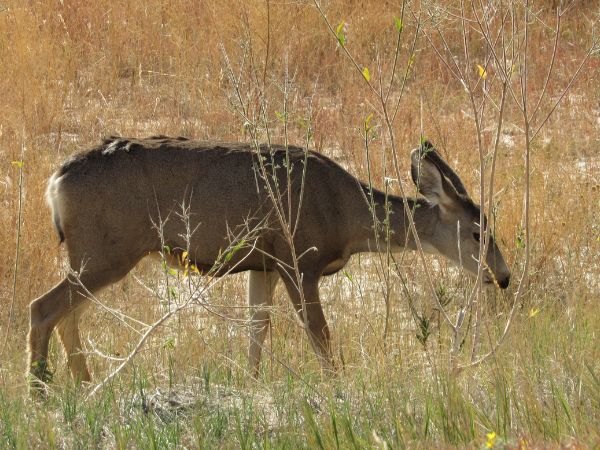
Sage Creek Rim Road is known for its wildlife—herds of bison, bighorn sheep, and pronghorn are common sights in this region of the park. Roberts Prairie Dog Town, an excellent spot to see prairie dogs, is also located along this drive.
South Unit
The South Unit is far less traveled than the North Unit. Visitors hoping to see the sights while avoiding crowds can drive around the perimeter of this more secluded region of the park.
There isn’t one specific scenic route that takes you into the South Unit, but taking Highways 44, 27, 2, and 41 allow you to loop around the area. The White River Visitor Center is at the intersection of Highways 27 and 2.
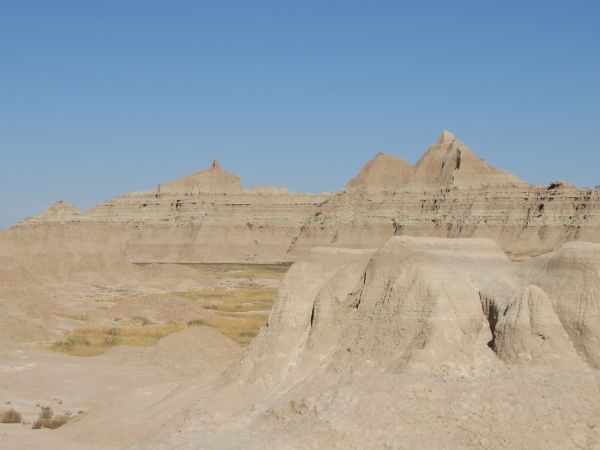
It takes about one to two hours to drive this route. The Red Shirt Table Overlook is a great stopping point along the way.
Hiking and Camping
Hiking and camping are both popular activities at Badlands National Park. There are two campgrounds and a multitude of hiking options.
Campgrounds are open year-round, though road closures and winter weather can lead to seasonal restrictions. Due to high fire danger in the region, campfires are not allowed, though campers can bring in their own camp stoves or charcoal grills.
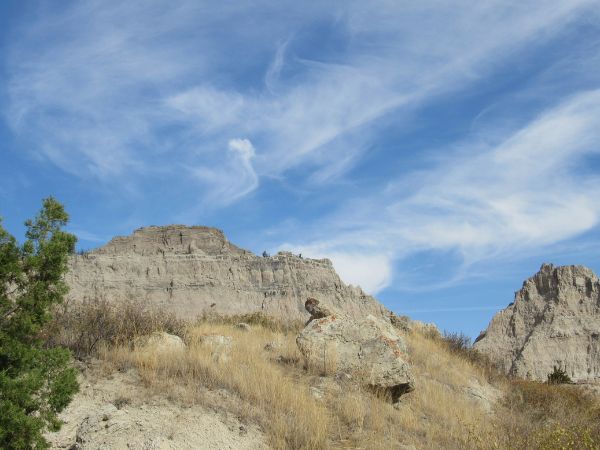
There are hiking trails for visitors of every skill level. Some easy hikes as short as a quarter of a mile are ideal for families or those with limited physical abilities. More moderate and challenging hikes are also available.
Those who really want to test themselves can register for backcountry camping opportunities. The park also has an open-hiking policy, allowing visitors to hike off-trail and encouraging safe exploration of the park.
Visitor Centers
There are two primary visitor centers in Badlands National Park: the Ben Reifel Visitor Center and the White River Visitor Center. You can stop in at either of these visitor centers to learn more about the park and its history, buy souvenirs, pick up a map or two, and chat with park rangers.
- Ben Reifel Visitor Center – This visitor center is in the park’s North Unit just off the Badlands Loop Scenic Byway. It’s open year-round except for Thanksgiving and Christmas. The Ben Reifel Visitor Center houses the Fossil Preparation Lab, a working paleontology laboratory. Here, visitors can watch paleontologists preparing fossils found within the park, giving them a glimpse of this exciting work and providing an opportunity to ask questions.
- White River Visitor Center – The White River Visitor Center is located in the park’s South Unit, at the intersection of Highways 27 and 2. It is typically open during the spring, summer, and fall months and closed from November through April. The center features stunning museum exhibits that provide a visual history of the region. You can also learn more about the Lakota heritage during your visit.
Flora and Fauna
The Badlands is situated in the High Plains of the U.S., so its primary habitat is prairie. In fact, the park contains the largest mixed-grass prairie in the country. In between the jagged rock formations and sloping sandstone hills are open fields of waving, green and gold grasses.
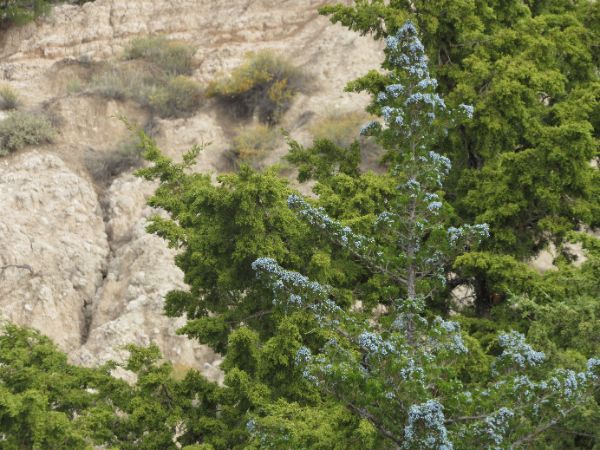
Wildflowers are a common sight, especially in spring. Not many trees grow in this environment, with junipers being an exception to the rule—these scrubby evergreens are found on and around many of the stone formations throughout the park.
The rugged prairie environment is home to many animals. Colonies of prairie dogs crisscross the open grassy areas, and herds of bison can often be seen grazing. Pronghorn and bighorn sheep are also common, and often photogenic, sights.
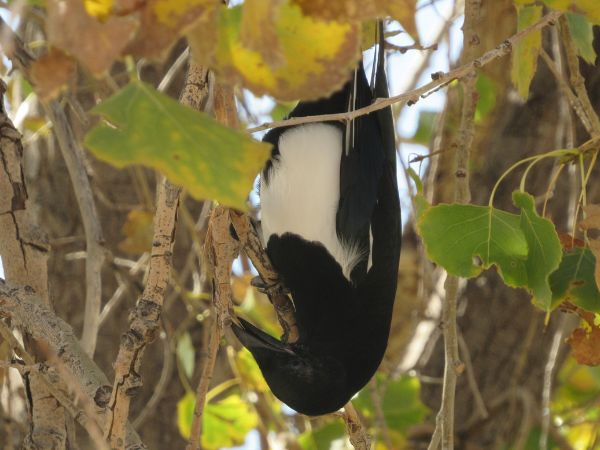
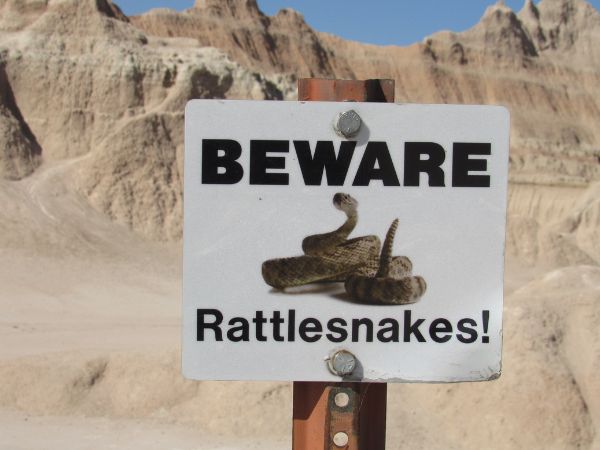
Even the black-footed ferret, a highly endangered mammal, can sometimes be seen in the Badlands. Coyotes, deer, foxes, eagles, rattlesnakes, and many smaller species of birds and reptiles may be found within the desertlike grassland ecosystem.
Weather
The weather in the Badlands can vary greatly depending on the season. Spring and fall are generally mild, but summer can be terribly hot and winter can be equally cold. According to the national park’s website, temperature extremes can range from -40 to 116 degrees Fahrenheit.
Summers are typically dry, but violent storms can spring up with little or no warning. Tornadoes and large hail are both common threats. In winter, an average of 12 to 24 inches of snow falls. Icy or snowy roads can make the park treacherous.
The National Park Service encourages visitors to dress in layers and be prepared for all kinds of weather, especially when visiting during summer or winter. Pay attention to local weather forecasts before heading out to the Badlands.
Badlands National Park Tickets
Badlands National Park is open 24 hours a day all year long, but you do need to pay for admission. You can purchase either a standard or annual pass. The standard pass is good for one day, while the annual pass will allow you to visit multiple times within a year. America the Beautiful Passes are also available. These annual and lifetime passes provide admission to all national parks and other federally managed lands in the U.S.
Costs for these passes are as follows:
- Standard pass: $15-$30 USD
- Annual pass: $55 USD
- America the Beautiful Pass: Free to $250 USD
You can purchase standard and annual passes on-site at any of the three entrance stations leading into the Badlands—only credit and debit cards are accepted though, no cash. Standard passes are also available for purchase online. America the Beautiful Passes can be purchased either online or in-person at select recreation areas throughout the U.S.
Badlands National Park Overlooks
Badlands National Park features pull-outs and overlooks all along the scenic drives. These spots allow visitors to pull over and get a closer look at some of the more spectacular views.
Most of these overlooks—12 to be exact—are situated along the Badlands Loop Scenic Byway. Four more can be found along the Sage Creek Rim Road, and one is located along Highway 41 in the South Unit.
Big Badlands Overlook
If you’re traveling east to west along Badlands Loop Scenic Byway, the Big Badlands Overlook is the first stop you’ll come to. Many visitors consider it one of the best and most iconic overlooks.
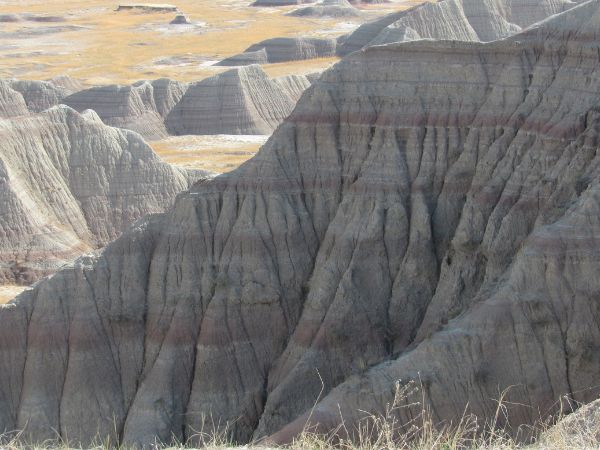
A boardwalk takes you from the parking area to a viewpoint where you can see, up close and personal, a huge area of striped stone hills rolling out like a sea of desert. This is a great place to stop for the classic Badlands look you’re used to seeing in pictures.
Yellow Mound Overlook
As you drive west along the loop road, you’ll come to a region that looks out of place compared to the rest of the Badlands. This area is more colorful, with yellow, pink, and gray hills filling the valleys below the road.
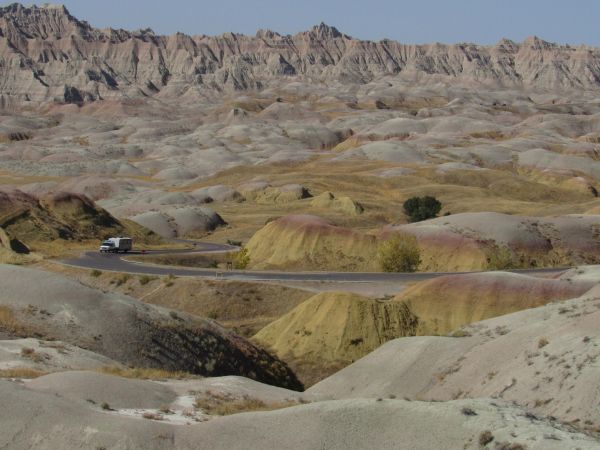
The Yellow Mound Overlook gives you a stunning view of these pretty formations. Their stark contrast from the browns, tans, and grays of the rest of the Badlands makes them a can’t-miss sight during your visit.
Pinnacles Overlook
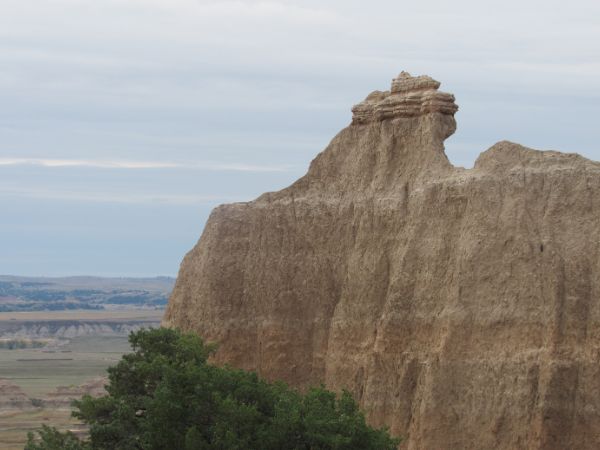
Pinnacles Overlook is the westernmost stop along the loop road. Known for its jagged stone formations and multiple distinct viewpoints, it’s another popular stop for anyone looking for the classic Badlands views.
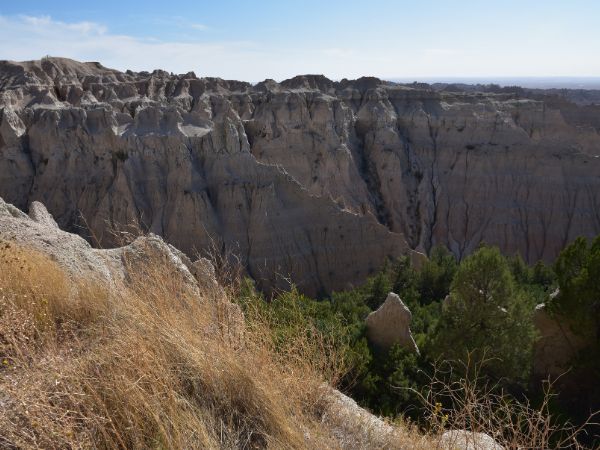
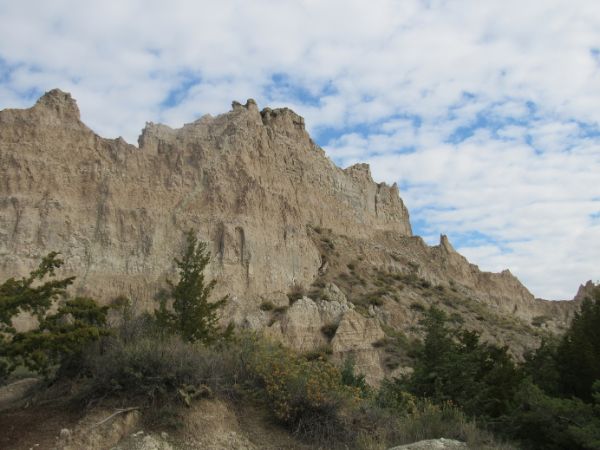
The stone formations here are more jagged than those found at Big Badlands, giving the land more of a stark, harsh appearance. In addition to providing various viewpoints, this overlook offers a trailhead for those hoping to get even closer to the formations.
Roberts Prairie Dog Town Overlook
You can find prairie dogs throughout Badlands National Park, but one of the largest colonies of them can be seen from the Roberts Prairie Dog Town Overlook. This overlook is found along the Sage Creek Rim Road.
Visitors can simply park their cars and walk out onto the prairie, which is pockmarked with prairie dog burrow entrances. Prairie dogs often sit at these openings and bark out warnings to other members of the colony. This is a great way to see the adorable little creatures up close, but it’s important to respect their space—don’t try to catch or touch them, and never feed them.
Red Shirt Table Overlook
Red Shirt Table Overlook is the primary stop for those driving the perimeter of the South Unit. It is situated along Highway 41.
This overlook lets you peer down into a valley of chalky, pinkish-tan stone formations. The valley extends outward from this overlook, giving the landscape a shallow-bowl appearance.
Badlands National Park Camping
If you want to camp at the Badlands, there are a few different ways you can do it. The park offers two campgrounds: Cedar Pass RV and Campground and Sage Creek Campground.
Cedar Pass is near the Ben Reifel Visitor Center. It offers 96 individual tent and RV sites as well as four group campsites. A few of the individual sites are wheelchair accessible. Visitors are allowed to camp up to 14 days in this campground, and fees range from $37 to $47 USD per night.
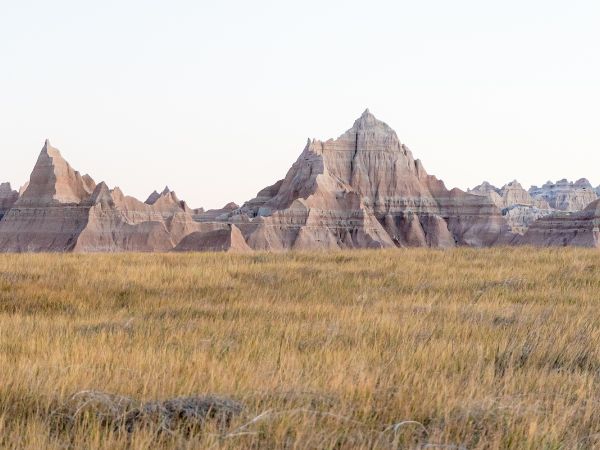
Sage Creek is a smaller, more remote campground with 22 individual sites. It’s free to camp here, but sites are available on a first-come, first-served basis. A section of the campground is reserved for those with horses. Running water is not available in this campground.
For the more adventurous, there are backcountry camping opportunities in the Badlands. Permits are not required, but you will need to register so national park staff are aware of your presence. It’s also important to follow backcountry camping rules and regulations, which you can find out more about when registering or by visiting the Badlands National Park backcountry camping page.
Badlands National Park Trails
Hiking is another popular activity at the Badlands. It’s a highly accessible park, with a wide range of trails to suit every skill level and physical ability.
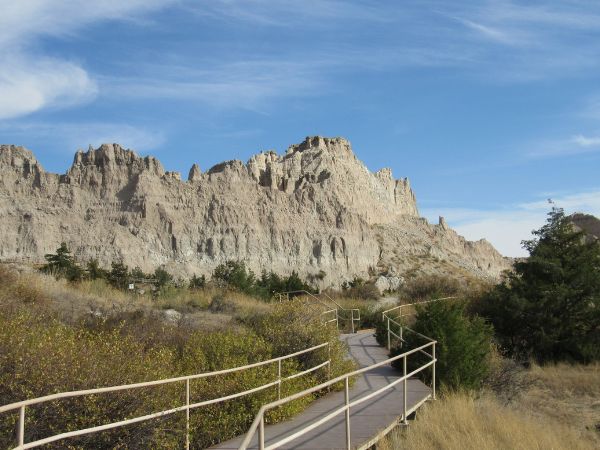
There are eight official trails in the Badlands, as follows:
- Door Trail: 0.26 mile – easy
- Window Trail: 0.26 mile – easy
- Fossil Exhibit Trail: 0.34 mile – easy
- Saddle Pass Trail: 0.68 mile – strenuous
- Cliff Shelf Nature Trail: 0.86 mile – moderate
- Notch Trail: 1.25 miles – moderate to strenuous
- Medicine Root Loop Trail: 4.18 miles – moderate
- Castle Trail: 10.2 miles – moderate
Most of the shorter trails are loop trails, some of which provide boardwalks for easy access. The Saddle Pass Trail and Notch Trail both offer challenging terrain for those who want to test their skills over short distances—the Notch Trail even features a rope ladder!
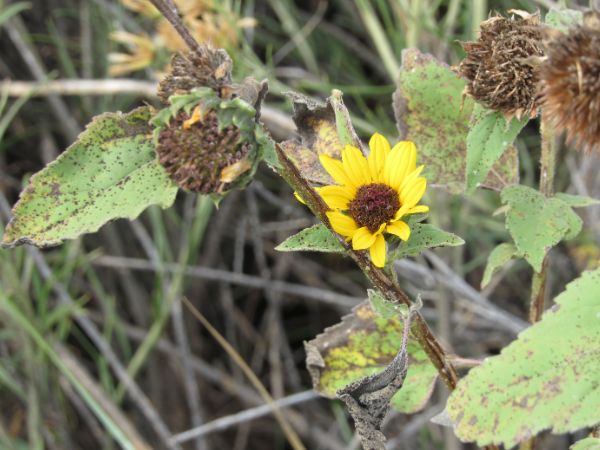
Castle Trail provides relatively level terrain but is over 10 miles round-trip, making it a good option if you’re looking for a bit of an endurance challenge. Castle Trail allows visitors to walk through the Badlands formations, while Medicine Root Loop Trail, the four-mile option, takes hikers through grasslands with views of the stone formations in the distance.
In addition to the designated trails, Badlands National Park allows visitors to hike off-trail. This open-hike policy is great for anyone wanting to get a more backcountry experience, but caution is encouraged. Take plenty of water, give wildlife space, and be aware of your own physical abilities and limitations.
How to Get to Badlands National Park
The most direct route to the Badlands from most starting points is via I-90. This major interstate runs east and west, passing just north of the park. Badlands Loop Scenic Byway begins and ends at I-90, allowing visitors easy access to the park just a few minutes from the interstate.
Highway 44 offers a southern route from Rapid City, providing more direct access to the South Unit. Those taking this route can easily jog over to the Badlands Loop Scenic Byway via Highway 377.
Badlands National Park Map
Check out this link for an interactive map of Badlands National Park.
Tips and Hints
When planning your trip to Badlands National Park, there are a few things you’ll want to keep in mind. Follow these tips to ensure you have the best experience possible.
- Be respectful of wildlife. From tiny birds and prairie dogs to bison and bighorn sheep, animals are everywhere. It’s important to stay at least 100 feet away from any wildlife you encounter. Never try to feed them or get too close. Ideally, you should give the animals enough space that they won’t even notice you’re there.
- Prepare for the weather. The region experiences a wide range of weather conditions. Depending on the season, you could encounter extreme heat or cold, sudden thunderstorms, tornadoes, or snow. Even a gentle rainstorm can make the Badlands trails slippery and treacherous. Always check the weather before heading to the Badlands, and keep an eye out for sudden changes while you’re there.
- Keep plenty of water with you. If you plan to do any backcountry camping or hiking, having clean water is essential. The Badlands is usually a pretty dry region, and potable water isn’t always available. Even the Sage Creek Campground does not provide a water source, so you’ll need to have your own.
- Make advance reservations. If you plan to stay at the Cedar Pass RV and Campground, don’t wait to book your reservation. The campground fills up fast, especially during peak season, so making reservations early is key to securing a campsite.
- Keep your camera handy. Badlands National Park provides plenty of scenic views that you may want to preserve through photos. Besides, you never know when a bison or bighorn sheep may decide to pose for a portrait!
Things to Do Near Badlands National Park
During your trip to the Badlands, you may be interested in checking out other destinations in South Dakota. Here are some spots within easy driving distance of the park:
Wall Drug
If you’ve driven any stretch of I-90 from Minnesota to Montana, you’ve probably seen the billboards. Ted and Dorothy Hustead purchased Wall Drug Store in 1931, and it gained popularity when they began offering free ice water to travelers.
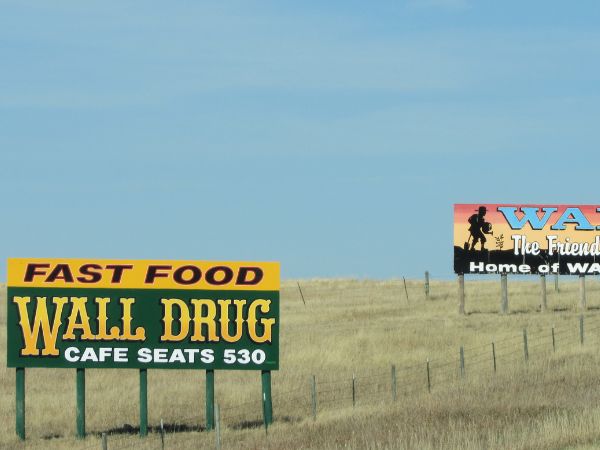
Fast forward almost 100 years—Wall Drug is now a bustling tourist attraction featuring a Wild-West-themed mall, a museum, several restaurants, and an 80-foot brontosaurus sculpture. It’s a great place to stop if you’re looking for souvenirs or if you just want to see what all the fuss is about. It’s also conveniently located just 15 minutes or so from the west entrance of Badlands Loop Scenic Byway.
Minuteman Missile National Historic Site
The Minuteman Missile National Historic Site is located on the north side of I-90 from the Badlands east entrance. It preserves two missile sites left over from the Cold War.
You can check out the Minuteman Missile Visitor Center to learn more about Cold War history, specifically the many missile silos that were installed throughout the Badlands region. You can also take a tour of the missile silo and control center preserved there.
Black Hills
The Black Hills Region begins about an hour west of the Badlands. Here, the rolling prairies of the High Plains give way to gentle-sloping mountains and forests.
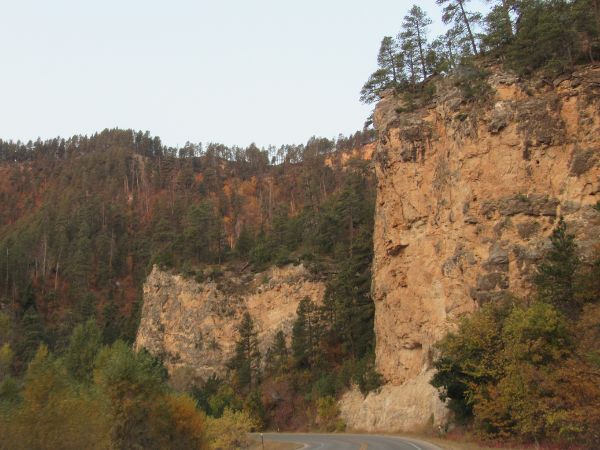
There are many destinations within the Black Hills—perhaps the most iconic is Mount Rushmore National Memorial. Other areas of interest include Rapid City, Custer State Park, and Spearfish Canyon.
Places to Stay Near Badlands National Park
There are many places to stay around the Badlands. Some visitors camp inside the park itself; others stay at hotels or campgrounds in surrounding areas.
Options like the Badlands/White River KOA Holiday and the Badlands Hotel and Campground are both found south of the park. This means that, if you’re traveling from I-90, you will pass through part of the park itself to reach your destination. This can make for some spectacular views, especially if you are passing through the Badlands near sunset or seeing them by moonlight.
Various hotels and cabins are also available nearby in Wall. Options include the Best Western Plains Motel, Welsh’s Motel, and Hansen Inn and Cabins.
Summary
The stunning pinnacles and fragile-looking geology of Badlands National Park provides a peek into the diverse natural history of the region. Its scenic drives and easy hikes make it a highly accessible destination that the whole family can enjoy. Whether you’re planning to look for fossils or just looking for an escape into nature, you won’t regret the time you spend at the Badlands.