


It’s something that we all search for when researching our travel destinations. Lately, I found myself Googling for it when researching Japan. Hidden Gems have become something border lining an obsession, and recently I’ve begun to wonder why?
I guess, upon reflection, it’s the need to visit somewhere that no one else has been. At least, none of your friends or family back home. Getting off the beaten path and having the ability to brag about that little sushi place hidden away in a backstreet of a small town in Hokkaido that no one has ever heard of is, apparently, gold to the average traveler.
It’s my belief however, that it goes beyond that. Social media, in particular Instagram, makes traveling a lot less authentic than it once was. The joy of discovering something new is taken away from travelers these days when they know exactly what to expect even before they reach a destination and are often disappointed that those expectations are dashed when those richly curated and photoshopped results are not reflected in real life.
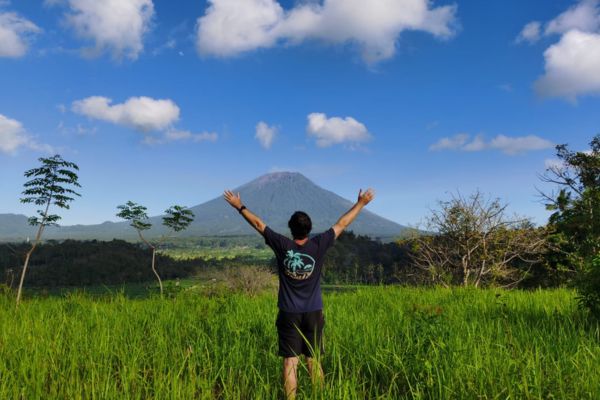
Finding a hidden gem, to some degree, allows that sense of discovery to be enjoyed once again, without the expectations.
There is a reason though, that publications such as Lonely Planet brief their writers when handing out assignments, and phrases such as hidden gem are strictly forbidden. They are simply overdone and have lost so much of their meaning that you simply cannot use them to describe a destination authentically anymore. Instead, they prefer descriptions such as “unsung” or “offbeat”.
What exactly IS a Hidden Gem?
I guess this is the real question, isn’t it? And no matter who you ask, the answer will be different.
For example, I recently came across a list of hidden gem destinations that included such places as Uluwatu in Bali, Gili Islands in Lombok, Hoi An in Vietnam and Lake Bled in Slovenia.
Now, I’ve been to all of those destinations, and having lived in Bali, I would never classify Uluwatu and the Gili Islands “hidden gems”. In the case of the former, anyone doing any sort of research on Bali would find Uluwatu near the top of any list of places to visit, and I’m not sure that a location that hosts an annual round of the World Surf League is really hidden from anyone.
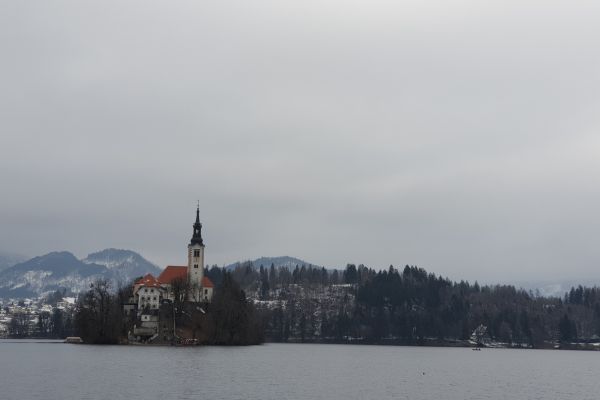
Hoi An may have been considered a Hidden Gem years ago, but certainly not anymore. The same can be said for Lake Bled. When I visited Lake Bled a couple of years ago, in the dead of winter, I couldn’t even find a seat in a cafe due to the crowds of tourists.
All of this means that the term “hidden gem” is one of those descriptions that has a use by date. Writing an article or making a post about a place that is relatively unknown, pretty much guarantees that in a short period of time, it’s not. Imagine what it was like when the early explorers returned home and raved about discovering South East Asia, or the South Pacific Islands. Even Hiram Bingham most likely bragged about a beautiful little place called Machu Pichu in 1911. NOT a hidden gem anymore.
Which also raises another point. A hidden gem to one person isn’t to the next. My example about Uluwatu is a good one. I lived in Indonesia, so to me, that is not a hidden gem. It might be to someone who has never traveled outside their own country and hardly even heard of Bali though.
As a travel writer, being able to discern from the two is important. We must cater to travelers as a whole, and saying that a place that you only just visited is a hidden gem simply because you, personally, had never heard or it before is being borderline careless as a writer.
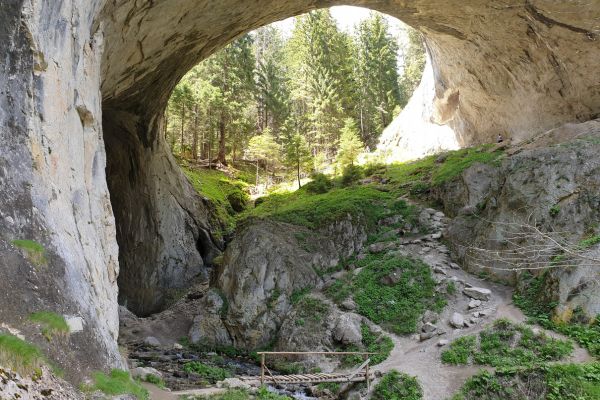
So where do we draw the line? The first time I traveled to Bulgaria I was amazed at places such as the Wonderful Bridges, or the Canyon of Waterfalls in Smolyen, deep in the Rhodope Mountains. These, to me, a writer from Australia, were Hidden Gems. I had to take a local bus hours into the mountains to find the Canyon of Waterfalls. Yet when speaking to Bulgarian locals, they were very well known and loved and visited often. The Wonderful Bridges is a popular tour from nearby Plovdiv and the capital Sofia. So, are they really hidden gems, or does it simply matter who your audience is?
Do we really need Hidden Gems to enjoy travel?
Sometimes I think we really need to stop and ask ourselves why we want to travel? Why are we making plans to go to that particular destination?
This is very important, and I don’t believe that many people stop to think about it. Let me explain.
I’m currently researching Japan. I’ve been there before, several times, and mostly to ski. I have, however been to Tokyo and done most of the things you would do in Tokyo as a tourist. On this trip though, I’m taking my partner who has never been, and plan on spending at least a week or so visiting another region away from Tokyo.
So, I began researching off the beaten path things to do. Small towns and places to visit that are away from the tourist crowds, and would give us a more genuine experience.
Then something happened.
I read a post. A simple post on Threads that made me sit back and think about it.
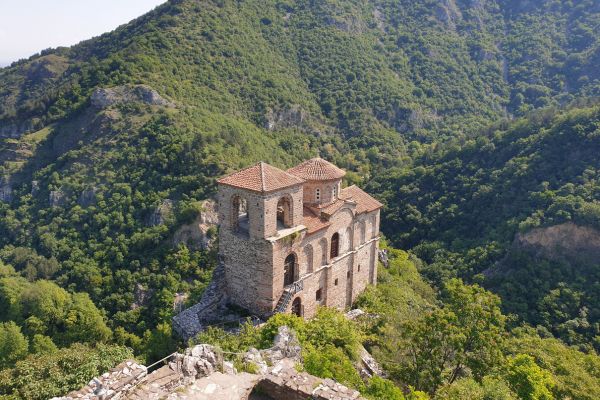
Why do I want to visit Japan? Why do I want to take my partner to my favorite city on Earth and show her why I love it so much, but at the same time why am I seemingly obsessed in getting away from that and finding the EXACT OPPOSITE?
When we decide to visit a country, city or destination, it’s because THAT is what we want to see. Somehow, we forget that along the way.
So go to Paris and visit the Eiffel Tower. Put up with the crowds and shoulder your way around the Louvre. Stand fifty feet away from the Mona Lisa and try to catch a glimpse. Pay for overpriced coffees just so you have that view you dreamed of every day back home. These are the things that made you fall in love with the idea of visiting, so DO THEM!
Getting away from it all and skipping those big attractions to find “hidden gems” in some backstreet are not the reason you saved for months and booked those flights.
I say this with one caveat. In the case that you’ve visited the destination more than once, then you can be forgiven for searching away from the norm. When I travel South East Asia now, I’m constantly on the lookout for new places to visit.
For the traveler that is researching a new destination though – just be a tourist and enjoy the trip. As I’m sure some wise person once said – the well-trodden path is well trodden for a reason.
Hidden Gems v Popular sights
So, what is the benefit of finding hidden gems when traveling?
The biggest benefit is the lack of crowds and other tourists. I personally love being able to walk the streets of a town or city and have them to myself. Being free to soak in the atmosphere, enjoy watching the locals go about their daily lives (which is usually a lot different to our own) all without having to jostle through throngs of tourists really adds to the experience. It’s very hard to get this at big attractions and popular destinations.
Having a “more authentic” cultural experience is another benefit. This also brings me back to an earlier point that it really depends upon the audience, as well as the destination. Take Tokyo for example. By trying to find a small Japanese town for an authentic Japanese experience, are you saying that Tokyo isn’t authentic? Because if you are, then I have news for you.
I think what you are really searching for is a different side of Japan. You want to experience life in Japan away from the cities. To me, that isn’t a hidden gem, and certainly not an alternative to the cities. It’s just broadening your experience.
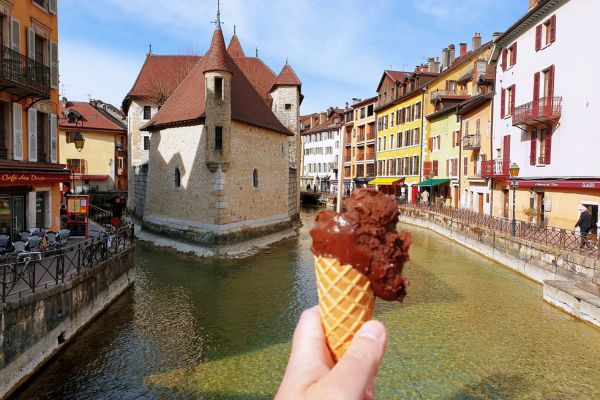
The other main reason to seek hidden gems is to find something new. As mentioned earlier, social media rules so much of our travel plans and experiences these days, and as users we crave having something new and different to post. Getting those likes and comments is what it’s all about, right? But how far do we have to go to wind up at the back end of our trip wondering why the destination was nothing like the postcards? I know why.
Which brings me to popular destinations. These are the places that made us fall in love with traveling there in the first place. Those posters of the Eiffel Tower that were once plastered on our bedroom walls, and the wallpapers that are now set as backgrounds on our iPhones. These are the reasons we travel.
So why are we do intent on getting away from them?
One of the benefits of seeing the big attractions is logistics. They’re easy to find, travel to and visit. Usually, they’re located in the middle of cities, or close by with public transportation networks. If not, there are plenty of organized tours to choose from. Logistically, they make your trip easy. Hidden gems, on the other hand, remain hidden for a reason.
Another way that these locations are misrepresented is the way they are referred to as “tourist traps”.
I understand where this comes from, and yes, these places are magnets for scammers, and local businesses will overcharge by the bucket load. Being a bit travel savvy helps to almost completely avoid these problems though, and then you’re left with simply enjoying the place. So, enjoy it!
Many people think a tourist trap is a place to avoid, and that it’s a trap because it’s not worth visiting. On almost every occasion this couldn’t be further from the truth.
Enjoy your travel
Are you traveling to a place because you fell in love with it online? Because you always wanted to go there? Did your friends rave about it? Then ignore the need to find hidden gems and just go and enjoy your experience. Realize what it is that’s making you want to travel there and find that experience. Most of the time, it’s right in front of you.