


There aren’t too many places in the world where you can experience snow-covered mountains, flourishing rainforests, and craggy coastlines all in one place—but Olympic National Park in Washington, U.S., is just such a spot. With all those ecosystems crammed together in close proximity, the park is a nature lover’s playground teeming with potential. Today, we’re going to explore this park, taking a look at the many things you can see and do while you’re there.
Olympic National Park: Top Destinations
This national park is huge, encompassing nearly a million acres. There are so many different areas you can visit and so many things to do in each one. Before diving into the many things to do at Olympic National Park, let’s look closer at some top destinations within the park and what each one has to offer.
Hurricane Ridge
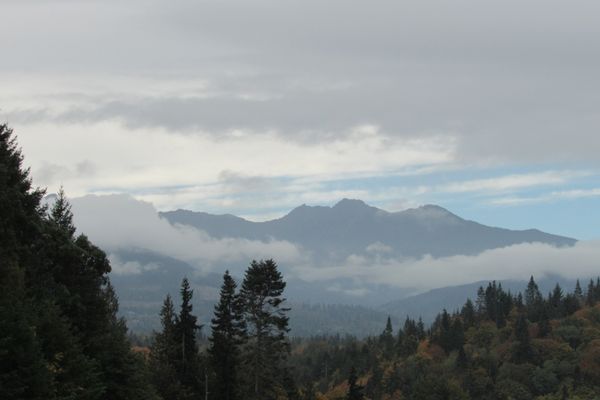
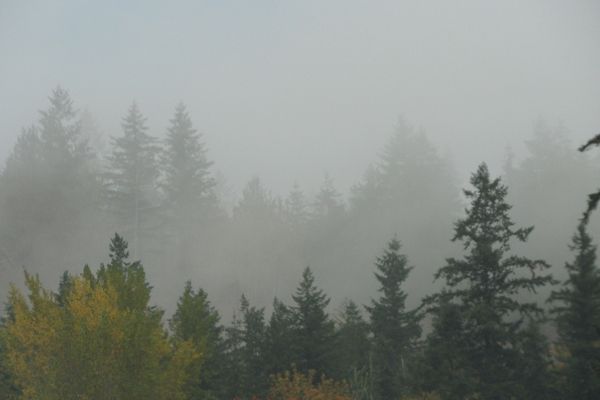
The drive to this scenic mountain overlook begins in Port Angeles, Washington, at the northern edge of the national park. Hurricane Ridge Road quickly winds its way into lush forest, climbing through different types of vegetation as the road curves upward. There are pull-offs and viewpoints along the way, providing stunning views of gentle green peaks and patches of fog or cloudcover at lower elevations.
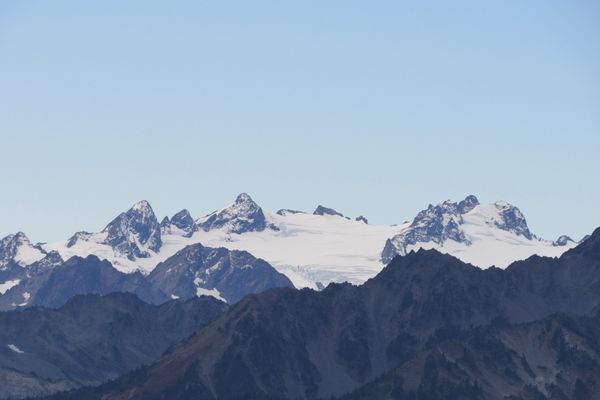
The drive is about 18 miles long and generally takes 40 to 45 minutes to complete. Once you reach the top, you’ll have a 360-degree view of the Olympic Mountains all around you. Notable peaks include Mt. Olympus, the highest at 7,980 feet, Mt. Carrie, and Mt. Fairchild.
Various hiking trails lead from the overlook, and the Hurricane Ridge Visitor Center provides information and souvenirs. Obstruction Point Road, a gravel drive open July through September, splits off from the main road and takes visitors into higher alpine regions toward more challenging trails.
Hurricane Ridge Weather
Hurricane Ridge is named for its weather, which often features gale-force winds reminiscent of a hurricane. It tends to be much colder than other areas of the park and receives an average of 400 inches of snow annually.
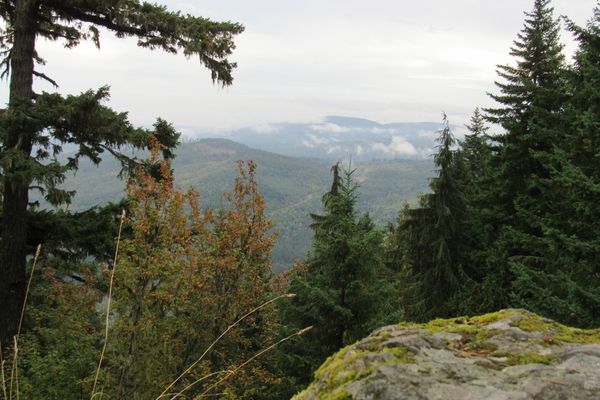
Conditions tend to be mildest in the summer and wettest in the winter, with temperatures ranging from the mid 40s in December and January to the low 70s in July and August. Regardless of the season, the surrounding mountain peaks are almost always snowcapped, as snow falls year-round.
Lake Crescent
After returning to Port Angeles from Hurricane Ridge, drive west on U.S. Highway 101, known here as the Olympic Peninsula Loop Road. In about 20 minutes, you’ll reach the eastern shores of Lake Crescent, Washington, just inside the northern borders of the park. This glacial lake is more than 600 feet deep and, on clear days, features sparkling blue-green waters that visitors love to photograph.
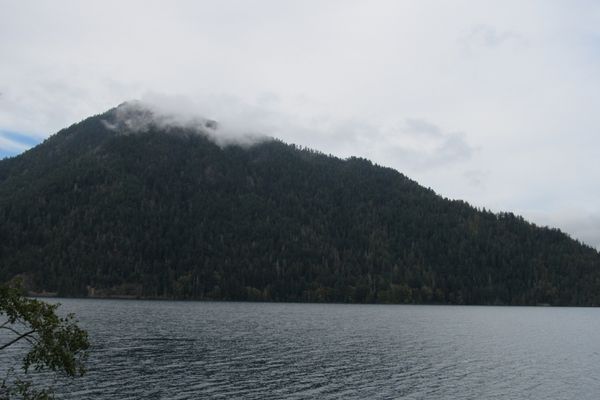
Highway 101 curves along the lakeshore for several miles, providing stunning views and a handful of scenic overlooks where you can catch a glimpse if you want to enjoy the lake but are on a time crunch.
If you can stick around a bit longer, you might want to check out Marymere Falls, a gorgeous 90-foot waterfall hidden among old-growth spruce trees near the lake. You can also explore the nearby Mount Storm King, which stands over Lake Crescent like a sentinel. Finally, consider staying or stopping in for a meal at the historic Lake Crescent Lodge, a beautiful resort that overlooks the lake.
Sol Duc Valley
The Sol Duc Valley is a pretty forested region south and west of Lake Crescent. Cutting south from the Olympic Peninsula Loop Drive, the Sol Duc Hot Springs Road follows the curve of the Sol Duc River as it flows through old growth evergreen forests. There are various trailheads and scenic pull-offs along the way. You can catch a glimpse of the Salmon Cascades, a spot of noisy whitewater along the river, or stroll beneath giant Douglas fir and western hemlock trees, many of which are more than 200 years old.
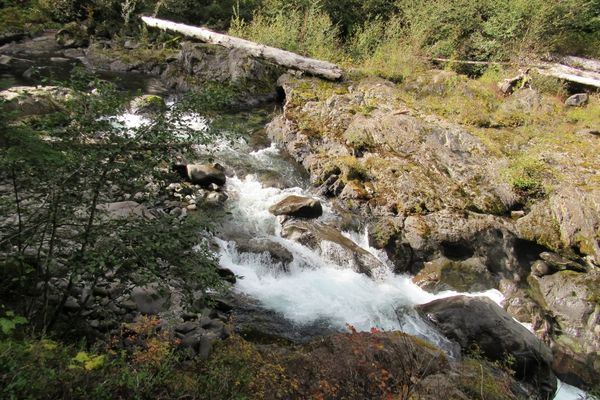
Continuing deeper into the forest, you’ll eventually find the Sol Duc Hot Springs Resort, which features several mineralized, springs-fed soaking pools and a freshwater swimming pool. Keep driving to the end of the road, and you’ll reach a network of trails that will take you to the pretty Sol Duc Falls and Lover’s Lane Falls.
Rialto Beach
Olympic National Park contains several beaches, and one of the most popular is Rialto Beach. Here, you can find great views of the classic Pacific Northwest coastline—rugged cliffs, sea stacks, huge pieces of driftwood, dramatic dropoffs into the ocean. The stretch of sandy coastline along Rialto Beach lets you wander right down to the water’s edge.
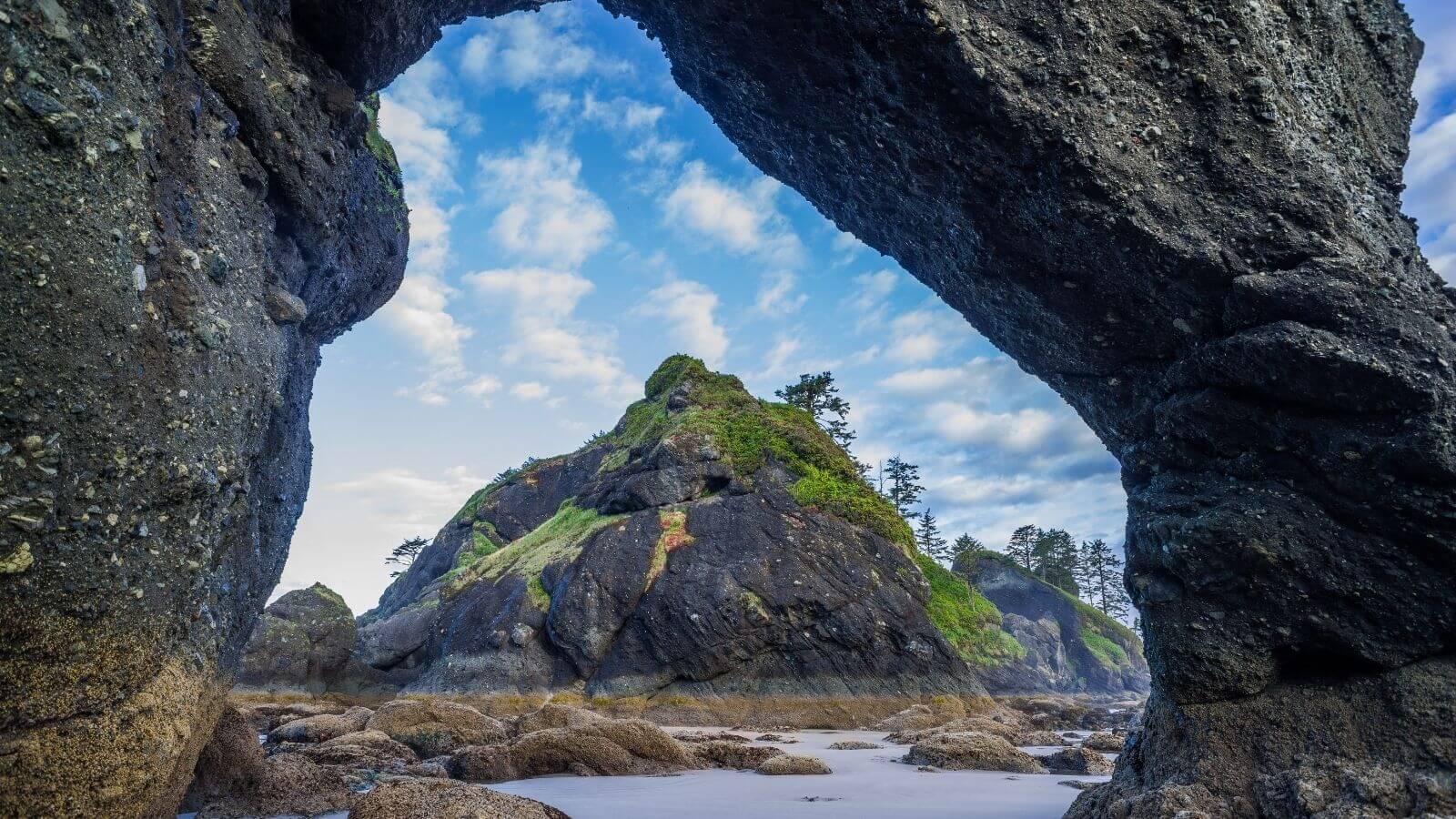
If you’re exploring this beach at low tide, consider hiking to Hole-in-the-Wall, a sea-carved arch you can walk through. The popular Rialto Beach tide pools pockmark the region around this arch—if the water’s low enough, you can see various types of barnacles, sea stars, and even colorful sea urchins.
Rialto Beach is located near La Push, Washington—you can reach it by taking Highway 110 (La Push Road) west from the Olympic Peninsula Loop Road until you reach the coast. A parking area sits right next to the beach for easy access.
Hoh Rainforest
From Highway 110 junction, you’ll follow the Olympic Peninsula Loop Road as it curves south, then turn east on Upper Hoh Road. This route will take you to one of the most popular destinations in all of Olympic National Park: the Hoh Rainforest.
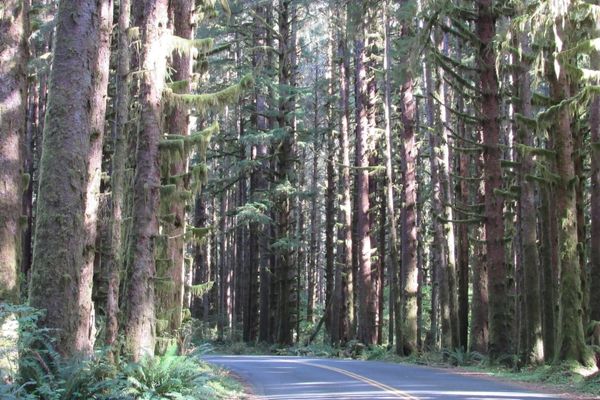
This fantastic region of old-growth forest averages around 140 inches of rainfall every year, making it one of the wettest spots in the continental U.S. Even on dry days, the forest has an ancient, almost magical quality. Many of its evergreen trees are hundreds of years old and tower far overhead. Green, hanging moss covers everything, and ferns cluster between giant trunks and fallen trees. The air smells fresh and woodsy, especially when rain is in the area.
This is one of only a few temperate rainforests left in the U.S., and it’s well worth a visit. Keep in mind, though, this area of Olympic National Park tends to be busy. You may want to visit during the offseason or early in the day to avoid crowds. During your visit, you can stroll through the forest along three short, easy nature trails to get a closer look at the moss and breathe in the foresty goodness.
Ruby Beach
Upon leaving the Hoh Rainforest, you’ll return to the Olympic Peninsula Loop Road, which takes you right to Ruby Beach. You can pull off the road into a convenient parking area and take a short hike down to the beach, which is covered in a maze of driftwood.
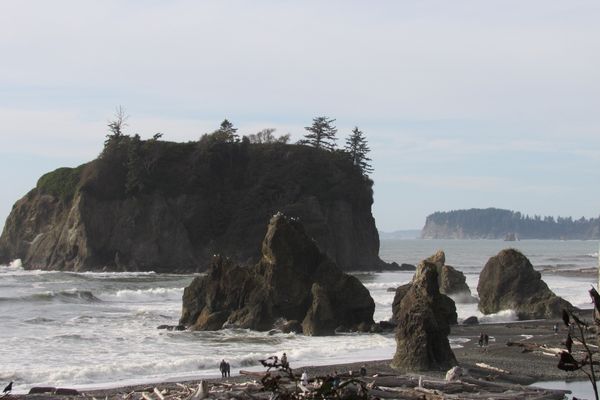
This highly photographed beach has so many beautiful features, from the vegetated stone mass known as Abbey Island to the jagged sea stacks along the coast to the tiny, ruby-colored garnets hiding among the sand and stones on the beach. You can also explore tide pools at low tide and wander among the driftwood looking at shells and pretty rocks.
Quinault Rainforest
The Olympic Peninsula Loop Drive follows the coast for a short distance before turning eastward near the community of Queets. From there, it’s about a 35-minute drive to Lake Quinault and the beginning of the Quinault Rainforest. This region is not as busy as the Hoh Rainforest, making it a great stop if you want a similar experience without the crowds. Moss covers everything, ferns blanket the ground, and dense forests of beautiful trees fill the air with the scent of evergreen.
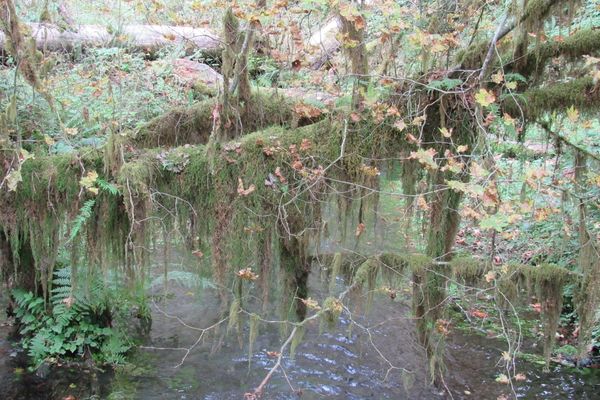
Several pretty waterfalls tumble through the Quinault Rainforest, including Bunch Falls and Gatton Creek Falls. The forest also boasts some of the tallest trees in the world. In fact, the world’s largest Sitka spruce sits not far from the lake, towering more than 190 feet high with a diameter of 18 feet.
You can drive the Quinault Rainforest Loop Drive, which circles Lake Quinault, in an hour or two depending on how many stops you take, and short hikes into the forest let you enjoy many of the sights at closer range. The historic Lake Quinault Lodge, built in 1926, sits on the south lakeshore and provides a beautiful spot to stay the night.
Staircase Region
Olympic National Park’s Staircase region is a backpacker’s dream. Located on the southeast side of the park, the area receives fewer visitors but features plenty of green rainforest scenery, gentle mountains, lakes, streams, and waterfalls.
The Staircase Rapids Loop Trail lets you bask in the scenery and is rarely crowded. It provides a backcountry flavor for anyone who wants to enjoy nature in a more remote setting. You may also want to summit Mount Ellinor—at the top, if the weather’s clear, you’ll find panoramic views of the surrounding region and can even see Mount Rainier in the distance.
Olympic National Park Camping
One of the most popular activities in Olympic National Park is camping. There are camping areas throughout the park, in all of the major ecosystems, to help facilitate your adventure.
The following campgrounds offer tent sites, with some also providing RV hookups and cabins:
- Deer Park Campground
- Fairholme Campground
- Graves Creek Campground
- Heart O’ the Hills Campground
- Hoh Rainforest Campground
- Kalaloch Campground
- Log Cabin Resort RV and Campground
- Mora Campground
- North Fork Campground
- Ozette Campground
- Queets Campground
- Sol Duc Hot Springs RV Park and Campground
- South Beach Campground
- Staircase Campground
Several of these campgrounds are generally open year-round but may close during bad weather. Others are only open seasonally. Costs for booking an RV or campsite vary, ranging from $15 to $58 in most cases. Some campgrounds offer sites on a first-come, first-served basis, while others encourage or require advance reservations.
You can check the park website’s camping page for more about each campground, booking information, and current closures.
Backcountry Camping
Since much of the park is wilderness, there are lots of great places to pitch a tent in the middle of nature—the Enchanted Valley of Olympic National Park is an especially beautiful backcountry area for camping.
You’ll need to apply for a backpacking permit—otherwise, pay close attention to changing weather conditions in your part of the park, be safe, and enjoy the serenity of a backcountry camping experience.
Olympic National Park Hiking
There are at least a hundred hiking trails meandering through Olympic National Park, with options ranging from short strolls to strenuous backcountry trails.
Below, we’ll focus mostly on the day hikes in each major ecosystem before wrapping up with an overview of some of the more popular backcountry routes.
Mountain Day Hikes
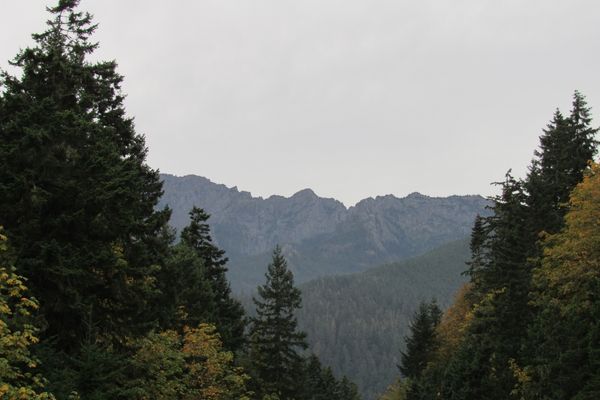
A handful of trails explore the Hurricane Ridge area, primarily leading from the parking lot at the overlook or from the visitor center:
- Klahhane Ridge Trail (2.8 miles one way)
- Hurricane Hill Trail (1.6 miles one way)
- Meadow Loop Trails (several easy loop hikes ranging from 0.25 to 0.5 mile)
Additionally, the Rainshadow Loop Trail, in the Deer Park region, is a strenuous, half-mile trail enabling adventurous hikers to summit a local mountain peak.
Rainforest Day Hikes
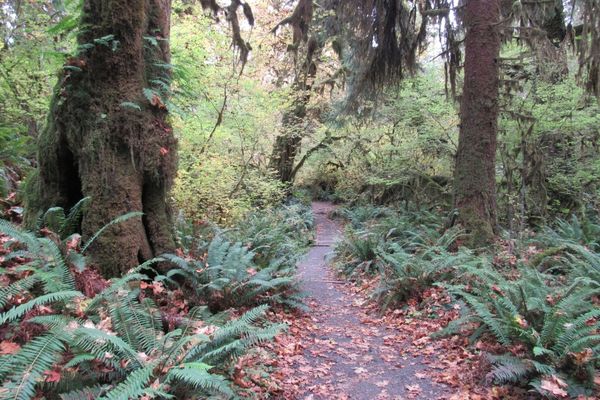
In the Hoh Rainforest, you can explore ancient, moss-covered woodlands via three short loop trails located near the visitor center:
- Hall of Mosses Trail (0.8 miles)
- Spruce Nature Trail (1.2 miles)
- Mini Trail (0.1 miles)
The Quinault Rainforest boasts four trails providing pretty forest, lake, river, and waterfall sightings:
- Kestner Homestead Trail (1.3 miles)
- Irely Lake Trail: (1.2 miles one way)
- Maple Glade Trail (0.5 miles)
- Cascading Terraces Trail (0.5 miles one way)
The Sam’s River Loop, near Queets, is an additional 2.8-mile hike through various stages of temperate rainforest growth.
Lowland Day Hikes
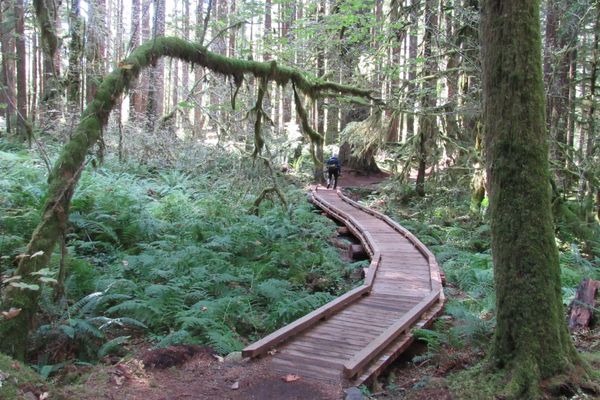
Several lowland forest regions provide many trails for exploration. The Sol Duc Valley, for example, offers these easy and intermediate day hikes:
- Sol Duc Falls Trail (0.8 miles one way)
- Mink Lake Trail (2.6 miles one way)
- Ancient Groves Nature Trail (0.6 miles)
- Lover’s Lane Loop (5.8 miles)
Several popular Lake Crescent Hikes are also available:
- Mount Storm King Trail (2.1 miles one way)
- Marymere Falls Trail (0.9 miles one way)
- Pyramid Peak Trail (3.5 miles one way)
- Moments in Time Nature Trail (0.6 miles)
- Spruce Railroad Trail (4 miles one way)
The Elwha Valley, a scenic area with mountain and river views, is a popular day-use area thanks to its multitude of easy trails:
- Madison Falls Trail (0.1 miles one way)
- Smokey Hill Trail (0.4 miles one way)
- Smokey Bottom Trail (1.9 miles one way)
- Cascade Rock Trail (2.1 miles one way)
- West Elwha Trail (3 miles one way)
- Geyser Valley Loop (6 miles)
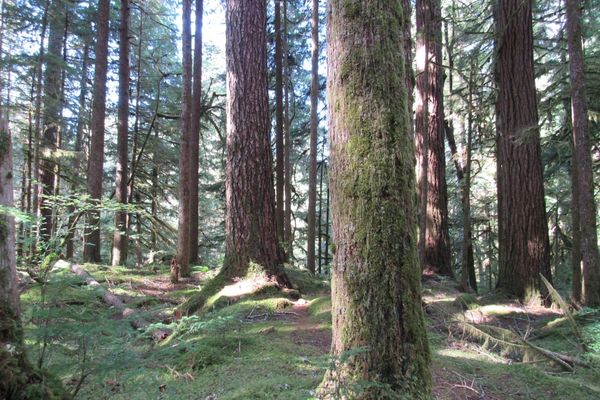
In the Staircase Region, you can take the Shady Lane Nature Trail, 0.9 miles one way, or the two-mile Staircase Rapids Loop Trail to enjoy remote river and forest scenery.
The Olympic National Park Visitor Center features two trails, each about half a mile, leading from its parking lot: the Peabody Creek and Living Forest Trails.
Finally, the Heart O’ the Forest Trail, 2.3 miles one way, begins in the Heart O’ the Hills Campground and takes visitors through pretty evergreen forests.
Coastal Day Hikes
There are three main coastal areas with day hikes at Olympic National Park. The Ozette area, near Ozette Lake and the Makah Indian Reservation, features the 2.8-mile-one-way Sand Point Trail and the 3.3-mile-one-way Cape Alava Trail. A 2.9-mile beach trail connects the two, producing one nine-mile loop trail for those who want to get the most out of the experience.
The Mora-La Push area features the following coastal hikes:
- James Pond (0.3 miles)
- Second Beach (0.7 miles one way)
- Third Beach (1.4 miles one way)
- Rialto Beach (1.5 miles one way)
The Kalaloch area provides two small hikes, each 0.2 miles one way, leading from the parking areas off of the Olympic Peninsula Loop Drive to Ruby Beach and Fourth Beach.
Backcountry Hikes
Olympic’s backcountry hiking trails tend to be longer or more primitive than its day hiking trails.
About 130 miles of the 1,200-mile Pacific Northwest Trail passes through Olympic. Other popular backcountry routes in the park include:
- South Coast Route (14.4 miles)
- Sand Point to Rialto Beach (17.3 miles)
- Elwha River Trail (27.7 miles)
- Hoh River Trail (17.5 miles)
- Mount Olympus Trails (mileage varies)
- Wolf Creek Trail (8.1 miles)
- Main Fork Dosewallips River Trail (11.3 miles)
- Skyline Primitive Trail (20.1 miles)
- North Fork Skokomish River Trail (12.5 miles)
Many of these backcountry trails (and even some of the day hike trails) include elevation changes of several hundred to a few thousand feet thanks to the mountainous lay of the land and the rugged nature of the routes.
More Fun Things to Do at Olympic National Park
Camping and hiking are two of the most popular activities at Olympic National Park, but there are tons of other things to do there as well. Let’s look at some fun outdoor activities you won’t want to miss out on while you’re there.
Fishing and Boating
Streams, rivers, lakes, and the ocean all present options for fishing and boating in Olympic National Park. The park generally has a catch-and-release policy but allows anglers to keep limited numbers of certain fish species. An updated fish and shellfish regulations booklet is published each spring to let anglers know about all current fishing rules in the park.
Canoeing and kayaking are both allowed on the following lakes and rivers:
- Lake Crescent
- Lake Ozette
- Lake Quinault
- Elwha River
- Hoh River
- Sol Duc River
- Queets River
- Quinault River
You can even take your kayak out along the Pacific Coast, though you’ll want to be careful. High winds, rough waves, quickly changing weather, and rugged coastlines can all present challenges.
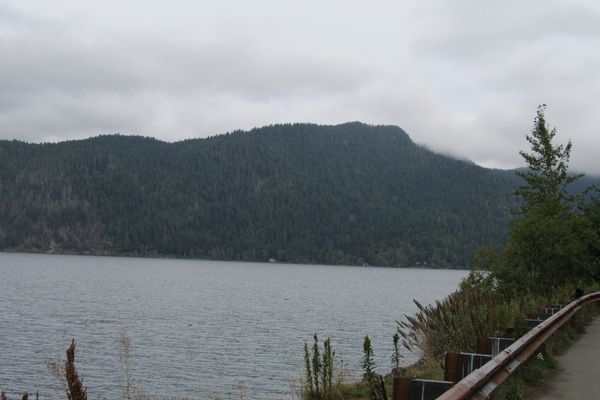
Motorized boats, fishing boats, and rafts are also permitted in some areas, though it’s important to check on current regulations before hitting the water.
Tidepooling and Beachcombing
Checking out the tide pools on Olympic National Park’s beaches is a fun way to glimpse unique sea creatures up close. The Rialto Beach tide pools, near Hole-in-the-Wall, are some of the best, but other great tide pools can be found around Ruby Beach as well as Second, Third, and Fourth Beaches.
Always check updated tide charts and keep an eye out for high waves or changing water levels. Visiting the tide pools at low tide is your best bet—aim for tides around one foot or less for the best viewing experiences.
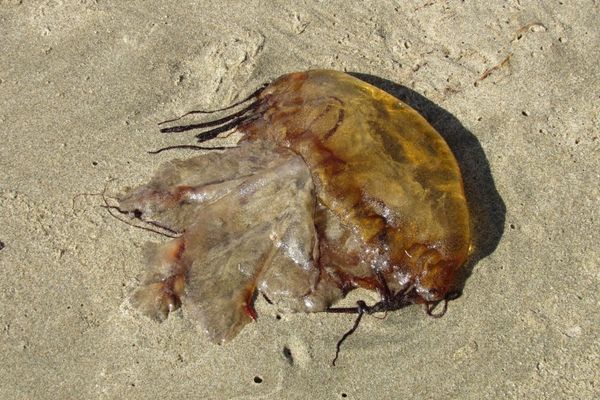
Beachcombing is another fun activity—there are lots of shells, unique rocks, pieces of wood, or other great finds you can photograph. Be sure to leave your finds where you find them, though—in most cases, it’s a federal offense to remove any natural object from federally managed lands such as national parks.
Wildlife Viewing
With such a diverse range of habitats, it’s likely you’ll be able to spot a diverse range of wildlife in the park. There are around 300 species of birds alone. Deer and elk are also common sights, as are Olympic marmots. You may even see a black bear or two in backcountry areas. In the fall, you may catch a glimpse of salmon swimming upriver in the Sol Duc Valley, and herds of whales are often visible in coastal areas during spring and fall migrations.
Dawn and dusk tend to be the best times for viewing wildlife. Never feed the animals, and always keep a safe distance of at least 150 feet between you and them—if the animal you’re viewing moves because of your presence, you’re too close.
Stargazing
The Pacific Northwest is known for its rainfall, so you might be surprised to learn that it’s also a great place for night sky viewing. Olympic National Park, in particular, is over 95% wilderness, so there’s a significant absence of artificial light to obscure the view. On clear nights, the sky is filled with stars, constellations, and planets, and the surrounding area is dark enough to really enjoy them.
There are plenty of beaches and mountain clearings that provide panoramic views of the surrounding area and the sky above. Many campsites throughout the park also provide adequate clear spaces. You can do your own stargazing from these prime locations or join group viewing activities, like those offered through the free Hurricane Ridge Astronomy Program, during the summer.
Winter Sports
Winter can be a beautiful time of year to visit Olympic National Park. There’s snow in the mountains, frequent rainstorms in the forests, and impressive tides and crashing waves along the coast. The snow, in particular, presents plenty of opportunities for outdoor fun—especially if you love winter sports like skiing, snowshoeing, and tubing. Cross-country skiing is especially popular and is a fun way to explore the peaks and valleys of Olympic’s high country.
Hurricane Ridge is the typical starting point for all of your winter sports adventures. Hurricane Ridge Road is usually open Friday through Sunday all winter long, though storms and avalanche threats can lead to closures, so it’s important to check current conditions before heading out.
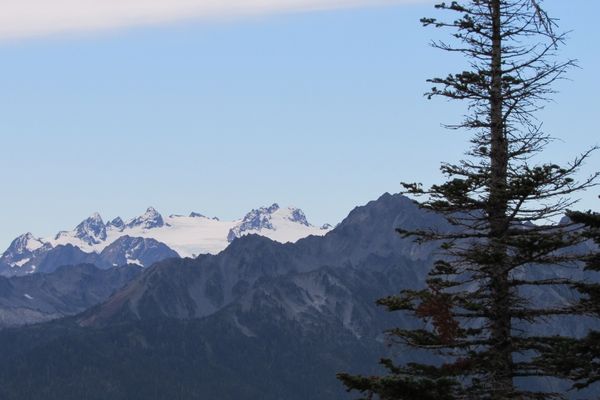
For a more low-key but no less impressive winter adventure, do some storm watching at one of the beaches. Olympic’s coastal areas tend to have little or no snow, but the rain, wind, and shifting tides can combine to create some truly amazing swells.
Planning Your Trip
With so much to see and do at Olympic National Park, it’s important to get prepared beforehand so you don’t end up wasting time and opportunities during your trip. Let’s look at some questions you’ll want answers to as you plan your adventure.
Where Is Olympic National Park?
Olympic National Park comprises the majority of Washington’s Olympic Peninsula. This region lies in the far northwestern corner of the United States, near British Columbia, Canada, and the Pacific Ocean.
Seattle to Olympic National Park
Seattle, Washington, is the largest U.S. city near the Olympic Peninsula, making it a common stopping-off point. Traveling from Seattle to Olympic National Park requires either crossing Puget Sound via ferry or driving around it, and the shortest amount of time it takes to reach the park is generally two to three hours.
Check out this map for more information.
What Is the Best Time to Visit Olympic National Park?
There are things to see and do in Olympic any time of year, even in winter, so the best time to visit depends on the specific experiences that most appeal to you.
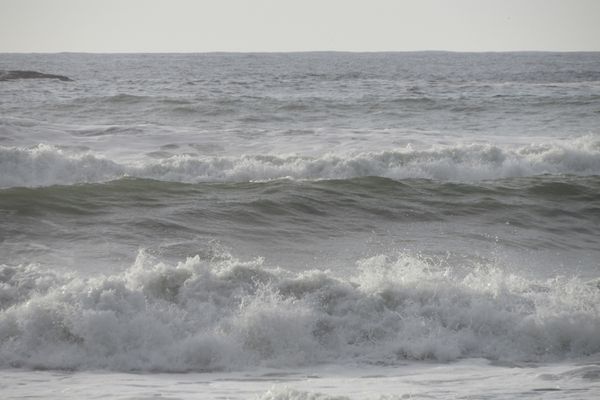
Olympic National Park weather conditions are most unpredictable in the winter, with lots of snow at higher elevations, heavy rain in the rainforests, and impressive storms along the coast. This can be a great time to visit if you enjoy winter sports, are interested in getting the full rainforest experience, or want to see huge waves battering the coastline. You’ll need to be careful, though, because avalanches, flooding, and rapidly changing tides can present diverse hazards.
The weather tends to be milder in the summer, but summer is also the busiest time of year. Be prepared for long wait times and heavy crowds, especially in more popular areas like the Hoh Rainforest. You may be able to escape some of the crowds in more remote areas of the park, so backcountry hiking and camping are great activities during the summer.
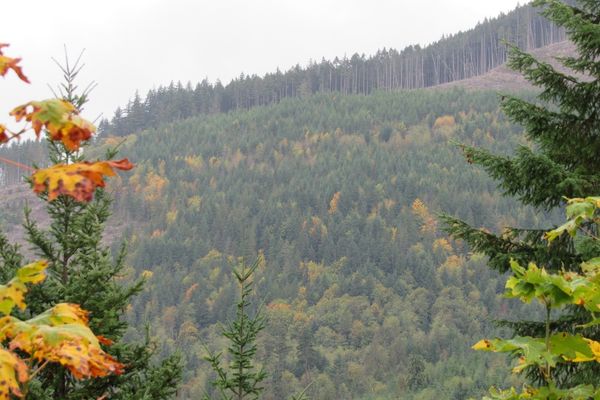
The best time to visit Olympic National Park is typically during spring and fall, when crowds are lighter and the seasons are changing. Spring is a great time to see waterfalls robust with snow melt, and wildflowers often fill the open areas with color. In fall, you can enjoy brilliant foliage as the deciduous trees, sprinkled among the evergreens, begin to change. Fall is also a great time for wildlife viewing, especially if you want to see whale migrations along the coast.
How Long Should You Plan to Stay at Olympic National Park?
It’s impossible to take in all of the sights and experiences at Olympic National Park in a single day. To really immerse yourself in all that the park has to offer, you’re going to need at least two to three days. The longer you can stay, the more you will find.
That said, you can still check out some of the top attractions at the park if you only have a day or less. The Olympic Peninsula Loop Drive takes about seven or eight hours of straight driving time. If you drive the entire loop without stopping, you’ll see plenty of distant mountains, forests, and glimpses of the ocean along the way. If you make a few stops, you’ll add on to your drive time, but you’ll also be able to see more.
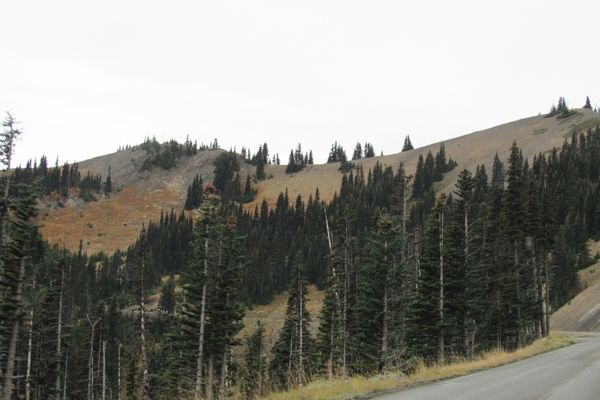
During our honeymoon, my husband and I stopped in at Hurricane Ridge, Lake Crescent, Sol Duc, the Hoh Rainforest, and Ruby Beach all while circumnavigating the peninsula. Granted, we didn’t spend a lot of time at any one spot, but we were impressed with how much we managed to fit into one 13-hour day.
Olympic National Park Cost
A standard day pass costs $15 to $30 USD depending on whether you enter the park on foot or by bicycle, on a motorcycle, or in a vehicle. U.S. citizens and residents can purchase an annual pass for $55.
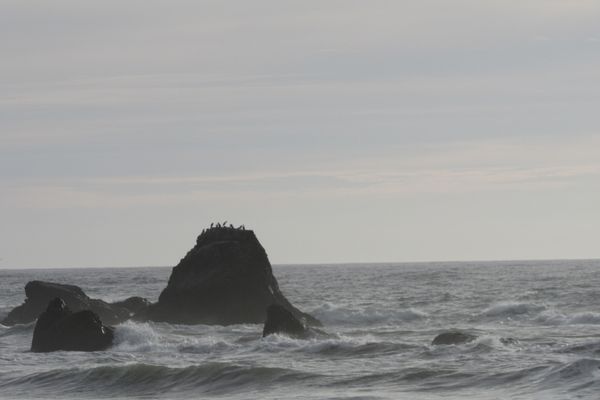
The America the Beautiful Pass, providing entrance to national parks and other federally managed areas throughout the U.S., is free for select groups but generally costs from $20 to $250. This pass is a great option if you’re planning to visit other national parks during your trip but may not be necessary if Olympic is your only destination.
Check out passes at THIS LINK.
Places to Stay Around Olympic National Park
As noted, there are plenty of campgrounds, lodges, and resorts throughout the park that will cater to any camping experience you desire. You can even do some backcountry camping if you’re feeling adventurous.
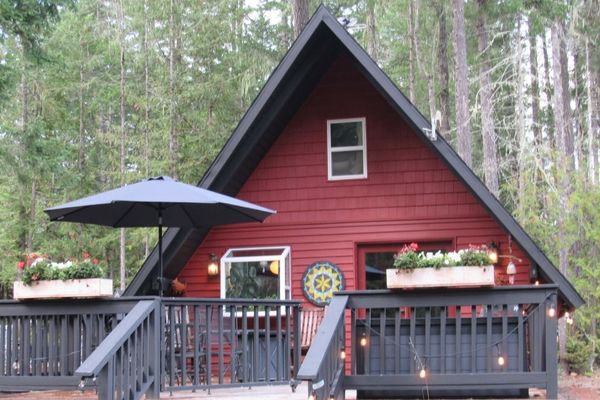
If you’d rather stay outside the park, there are towns and cities located all around the peninsula offering tent sites, cabins, hotels, and even houses where you can stay. Port Angeles and Port Townsend are popular places to stay on the north side, while Forks and La Push provide great proximity to the Olympic National Park beaches and rainforests. Towns along the Hood Canal and Dabob Bay, like Hoodsport and Skokomish, are best if you want easy access to the south and east regions of the park.
Conclusion
A trip to Olympic National Park is one of the best ways to experience the temperate rainforest environment the Pacific Northwest is known for—and it also throws in some fantastic mountain and coastal views for good measure. This sprawling park offers plenty of options for camping, hiking, fishing, tidepooling, nature viewing, winter sports, and so much more. Just be sure to give yourself plenty of time to explore—the opportunities are practically endless!